
Rotary Valve
Heavy-duty Rotary Airlock Valve engineered for vapor-tight material transfer, built as a reliable Rotary Feed Valve for Extractor systems in solvent extraction plants.
Rotary Airlock Valve
(Precision Extractor Feeding)
In continuous solvent extraction plants, maintaining pressure balance and preventing solvent vapor leakage is paramount. A high-performance Rotary Airlock Valve serves as the critical vapor barrier between ambient feed zones and solvent-rich extraction chambers. Operating with close-tolerance rotors, these valves meter seed cake, flakes, and meal consistently while sealing against hexane vapor migration, ensuring continuous production safety and zero emission losses.
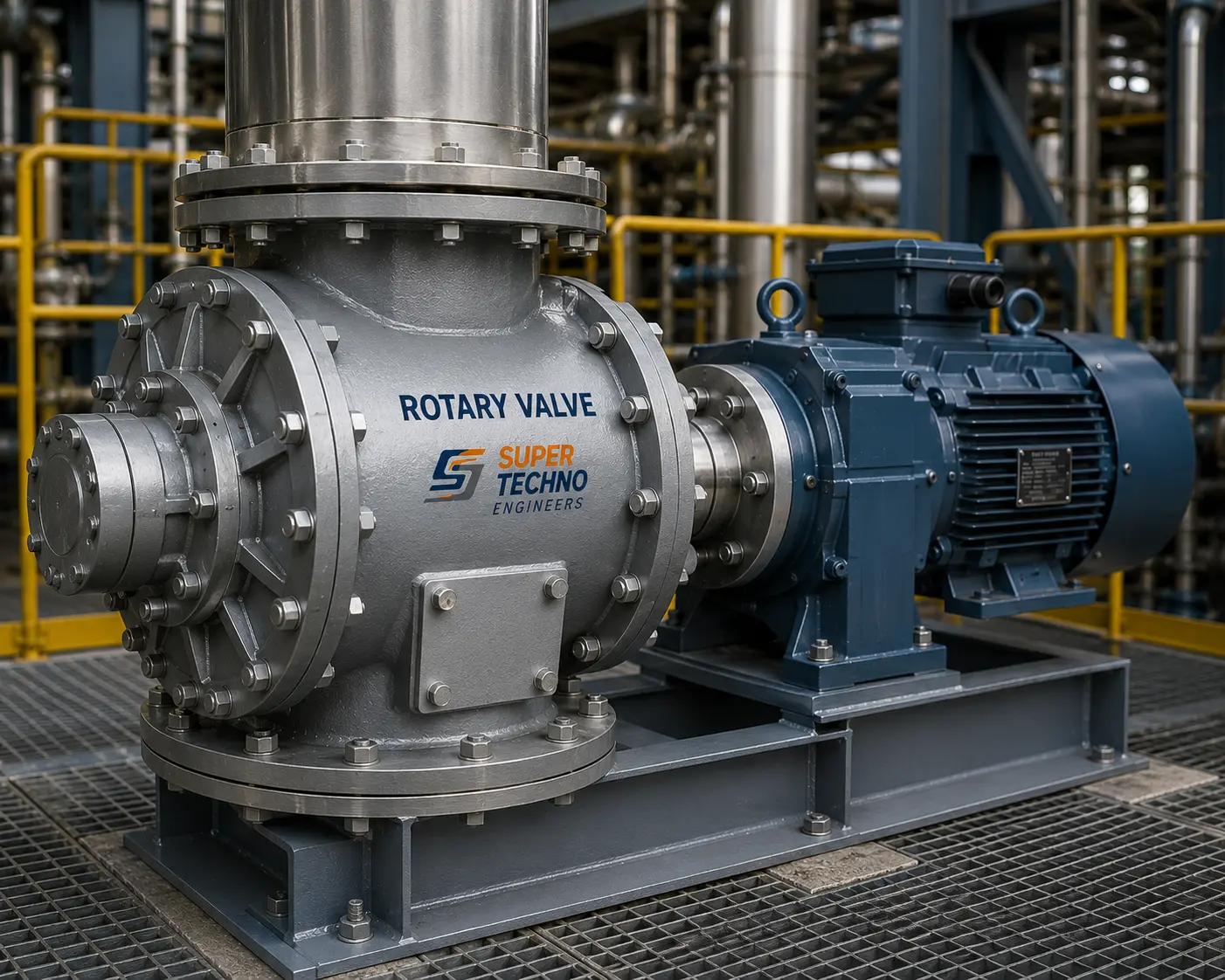
Precision Sealing Design
The key to a leak-free Rotary Valve is the close running clearance between the rotor and the housing. As a trusted Rotary Airlock Valve system, our valves feature an adjustable speed drive that lets operators tune the feed rate precisely based on the material's density and moisture content.
Working as a dependable Rotary Feed Valve for Extractor applications, the rotor blades sweep material through in a steady, continuous motion, sealing the pressure difference between two connected sections of the plant without allowing solvent vapor or outside air to pass through.
-
check_circleClose-tolerance rotor design prevents vapor leakage.
-
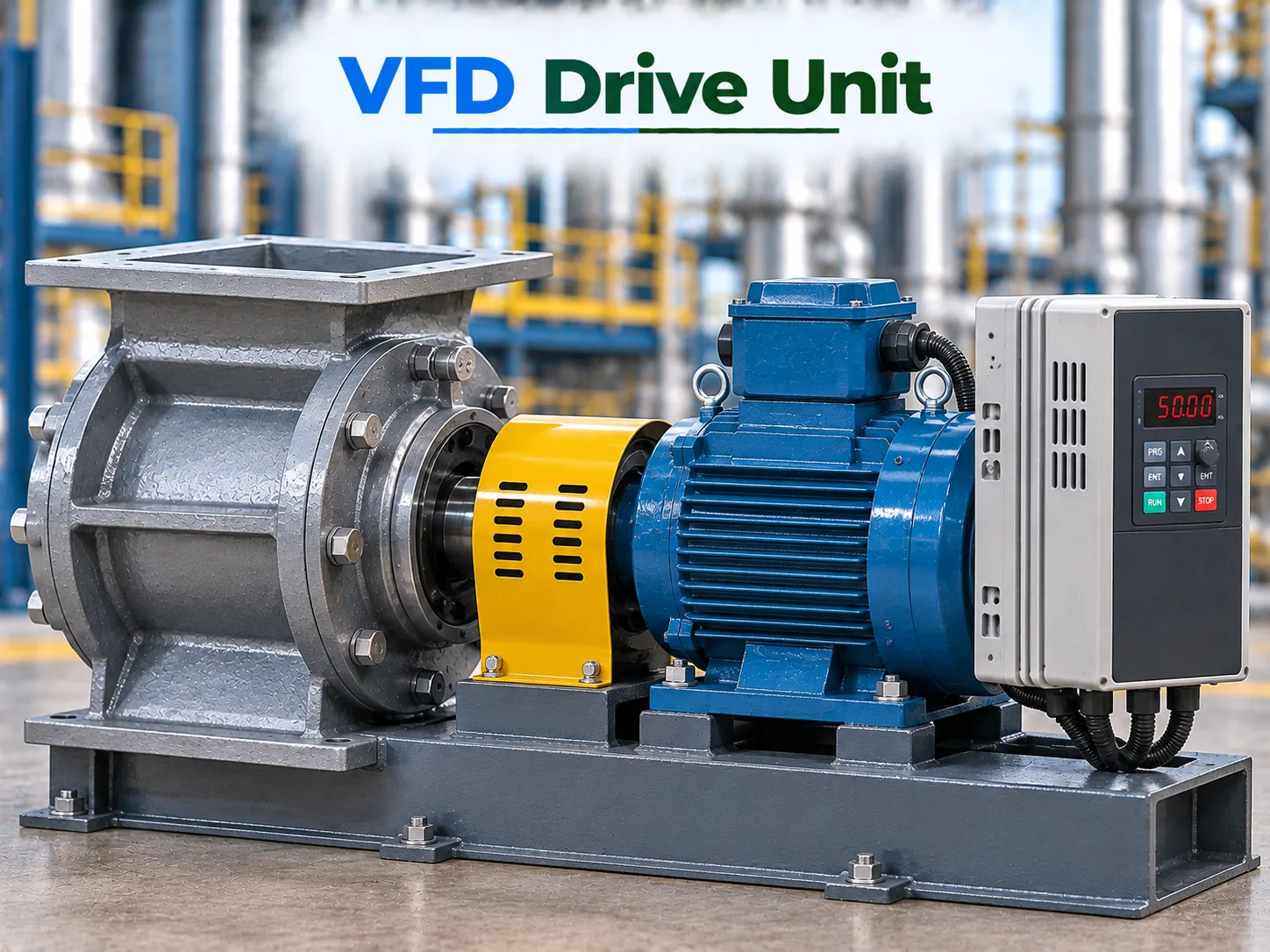
check_circleVariable frequency drive (VFD) for precision speed control.
-
check_circleAnti-bridging inlet design prevents material jamming.
Heavy-Duty Structural Integrity
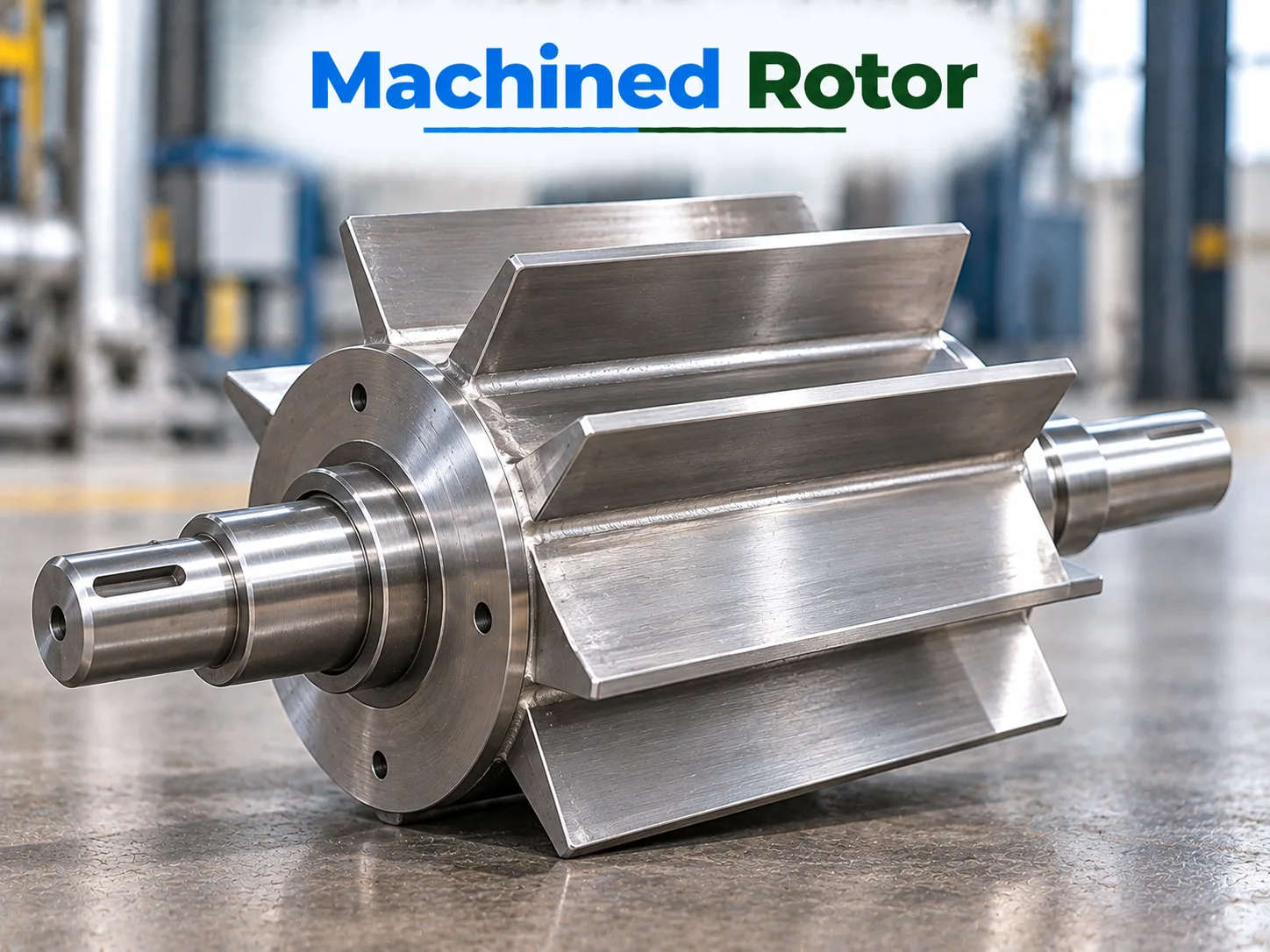
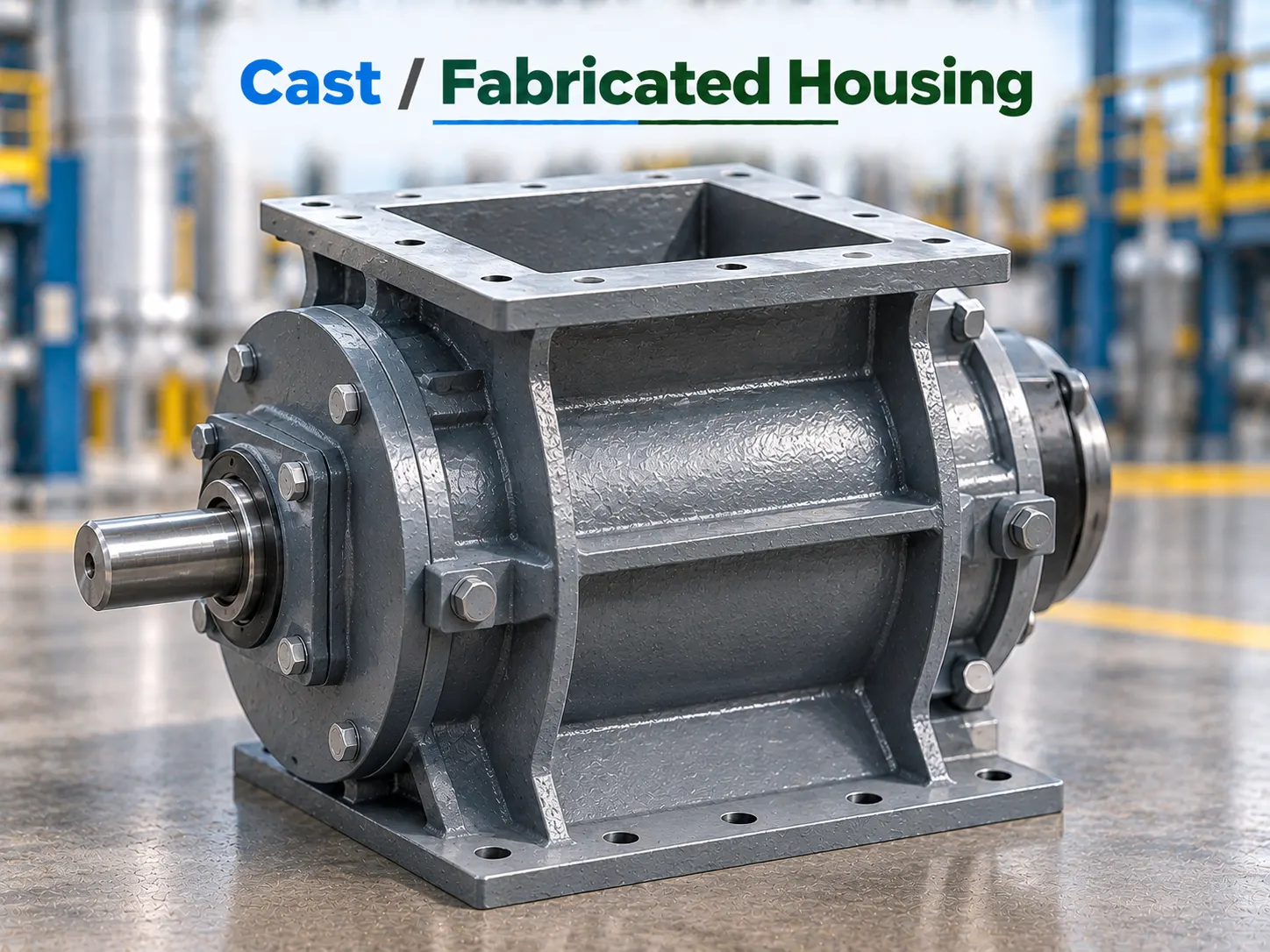
Every Rotary Valve for Solvent Extraction Plant use handles a continuous load of seed, cake, and meal every single day. The rotor and housing are fabricated from heavy-gauge mild steel or stainless steel, machined and balanced to run without vibration or wear even under abrasive material.
The shaft and drive coupling are built from high-tensile steel, engineered to keep the rotor turning smoothly around the clock without stretching, jamming, or losing its seal. This build quality makes our valves equally reliable as an Airlock Rotary Valve for Oil Mill discharge points.
Operational Capabilities
Proven Sealing Efficiency
Close-clearance rotor design ensures completely leak-free hexane vapor sealing.
Built to run non-stop in solvent extraction plants and oil mills without performance drop.
Precision blade configuration for smooth, even material flow without pulsation.
Technical Specifications
Engineered Features
Rotor is machined to run with minimal clearance against the housing, sealing the pressure difference between two connected sections and preventing solvent vapor or outside air from passing through.
Adjustable VFD lets operators tune rotor speed precisely to match material density and moisture content, keeping feed rate steady across changing plant conditions.
Inlet throat geometry is engineered to prevent material from jamming or bridging at the feed point, ensuring continuous, uninterrupted flow of seed, cake, or meal into the valve.
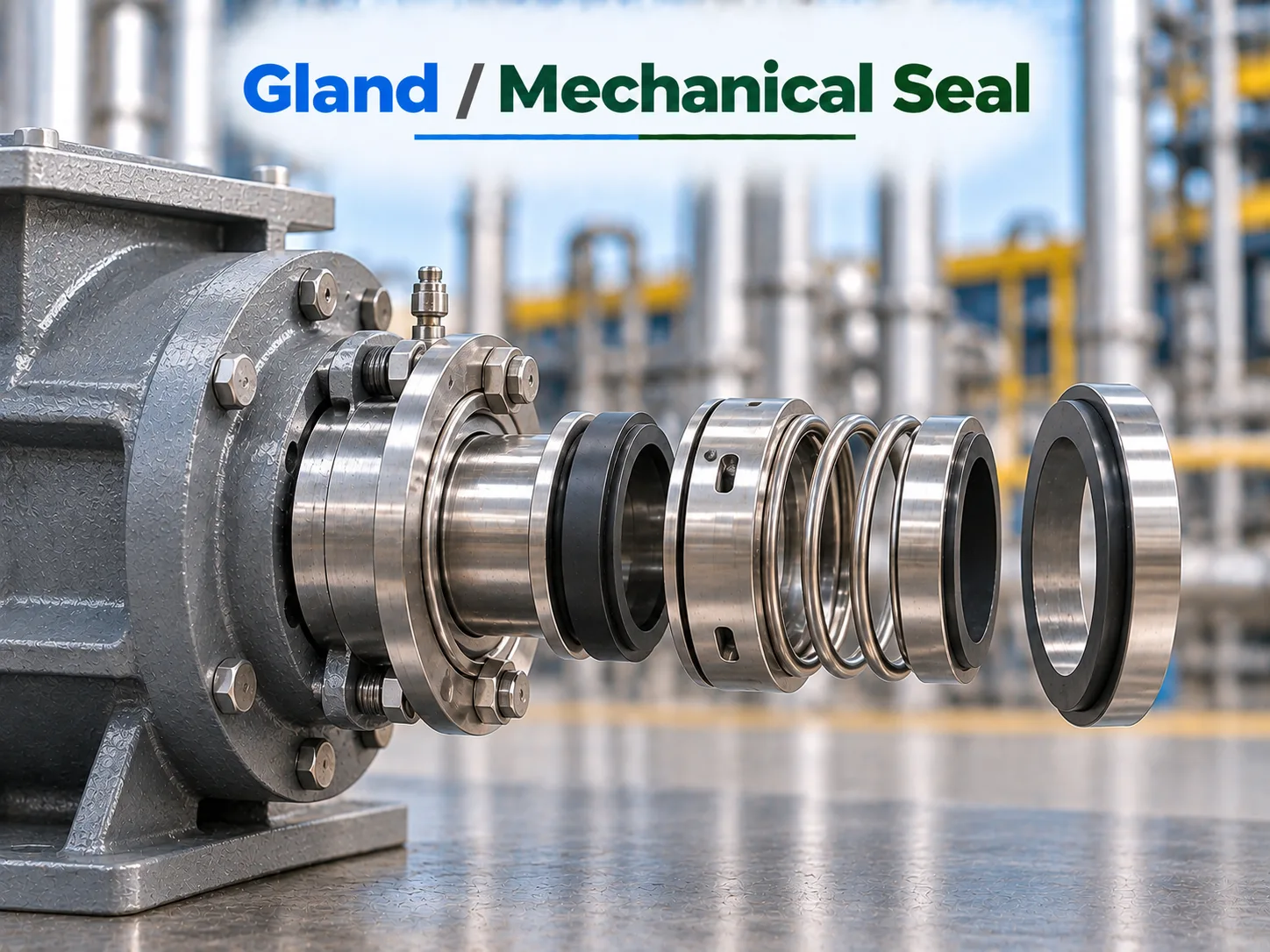
Gland packing or mechanical seal at the shaft keeps the valve tightly sealed against vapor loss, even when the plant runs under negative pressure.
Rotor blade tips are hardened to withstand rough, abrasive meal and cake, resisting wear and holding their seal under continuous, high-volume material flow.
Blade count is selected to match your specific application, delivering smooth, even material flow without pulsation and precise control over feed rate.
Data Sheet
Standard Specifications
Comprehensive technical parameters for our rotary valve systems. Custom configurations are available upon request.
| Parameter | Description / Value |
|---|---|
| Valve Type | Rotary Airlock / Feed Valve |
| Application | Extractor Inlet/Outlet, Hopper, Desolventizer, DOC Discharge |
| Material of Construction | Mild Steel / SS 304 (Contact Parts upon request) |
| Bore Type | Round or Square |
| Drive Mechanism | Geared Motor with VFD Controlled Chain/Direct Coupling |
| Sealing | Close-fit Rotor with Gland or Mechanical Seal |
| Rotor Blades | 6 or 8 Blade Design (as per application) |
| Operating Pressure | Slight Negative Pressure (Vapor-tight operation) |
Implementation Protocol
How We Work
As a leading Rotary Valve Manufacturer in India, our engineering teams design every valve to match your specific feed rate and material characteristics, ensuring a tight seal and smooth material flow.
Feed Analysis
We evaluate the density, moisture, and particle size of your material to determine the precise bore size and blade configuration required for the valve.
Flow & Sealing Design
Our engineers calculate the ideal rotor speed and clearance tolerance, designing the drive system to guarantee steady feed without vapor leakage.
Fabrication & Leak-Testing
The rotor and housing are machined, balanced, and thoroughly leak-tested before assembly with the drive unit. Once cleared, it is shipped and integrated into your extraction plant.
Case Studies & Endorsements
Industry Testimonials
"Before installing this Rotary Airlock Valve, we were struggling with vapor leakage at our extractor feed point and frequent rotor wear. Upgrading to this Super Techno Engineers system solved both immediately. Our hexane loss dropped noticeably, and the valve hasn't needed adjustment in over a year."
Equipment Installation Video
Live Plant Commissioning
Support & Information
Frequently Asked Questions
They are the same equipment. A Rotary Valve is often called a Rotary Airlock Valve because its main job is to act as an airlock, sealing pressure or vapor between two connected parts of the plant while still letting material pass through.
It is usually placed at the extractor inlet and outlet, the desolventizer feed point, hopper discharge, and DOC (De-Oiled Cake) transfer points, wherever material needs to move between sections without letting air or vapor leak through.
Yes. We adjust the bore size, blade design, drive rating, and material of construction based on your plant's daily capacity and the type of material you handle.
Rotors are usually made from Mild Steel or Stainless Steel (SS 304 or SS 316), with hardened blade tips for handling rough or abrasive meal and cake.
The rotor is machined to fit very closely against the housing, and proper shaft sealing is used, such as gland packing or a mechanical seal. This keeps the valve tightly sealed even when the plant runs under negative pressure.
With regular maintenance, our rotary valves run for many years under daily, continuous plant conditions. The hardened blade tips and strong housing help the valve resist wear even with rough or abrasive material.