
Industrial Valve, Gauge and Instrumentation Supplier
Precision-engineered flow control and measurement components for seamless solvent plant and refinery operations.
Reliable flow control and precise measurement are the backbone of any solvent extraction plant and edible oil refinery. Super Techno Engineers supplies a comprehensive range of industrial valves, flanges, and high-precision instruments, ensuring your plant operates with maximum safety, zero leakage, and optimum energy efficiency. As a trusted solvent plant instrumentation supplier and industrial valve and gauge supplier based in Dhuri, Punjab, every component we supply is selected and tested for compatibility with hexane solvent, crude oil, steam, and edible oil process environments.
Ball Valves
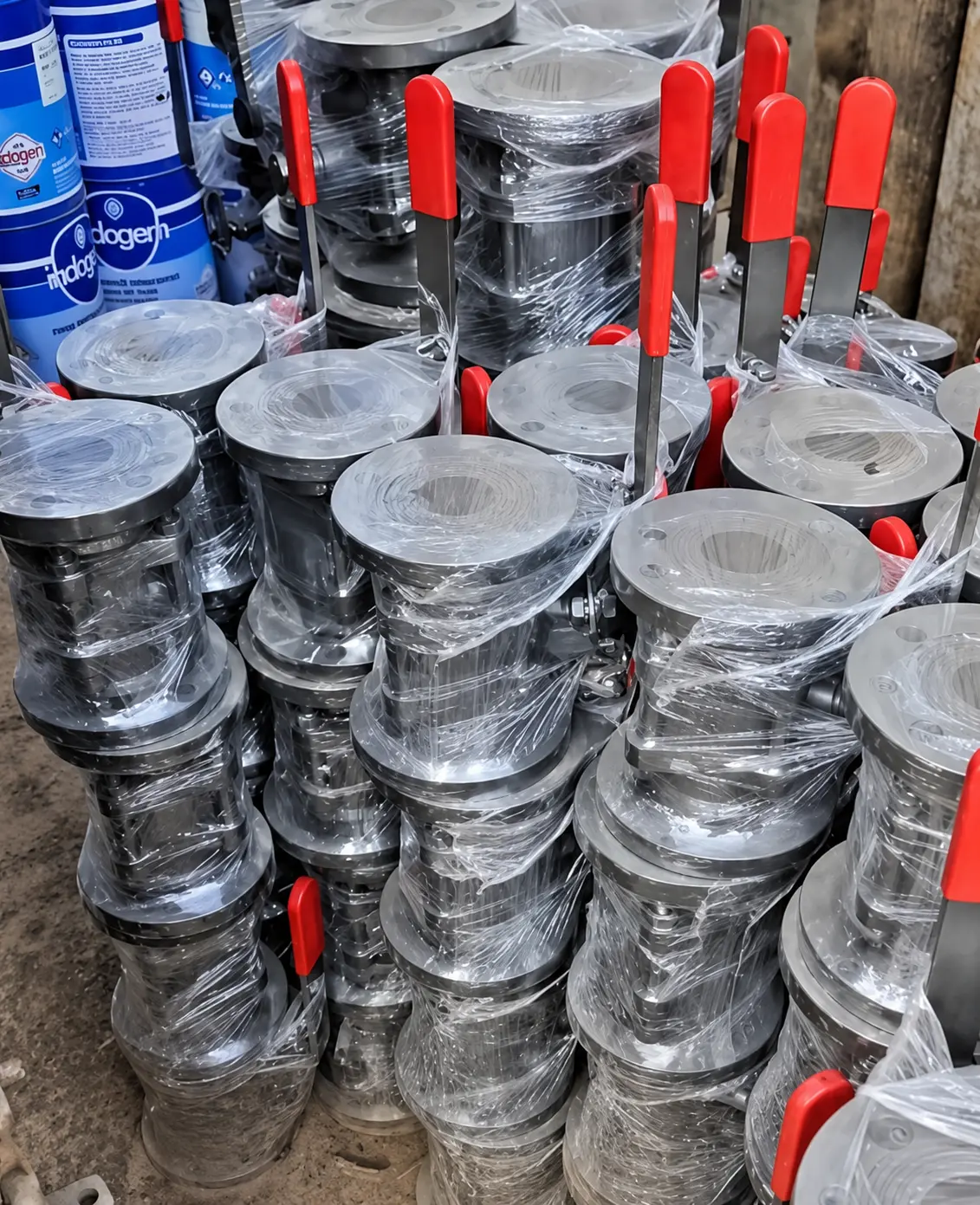
Ball valves are essential flow control valves for solvent extraction plants and edible oil refineries, used to start, stop, and regulate the flow of liquids and gases across all major process lines. They are especially critical in systems handling hexane solvent, crude oil, and steam, where tight sealing, quick shutoff, and zero leakage are non-negotiable safety requirements.
A ball valve operates using a hollow spherical ball with a cylindrical bore through its center. When the handle is rotated 90 degrees, the ball turns to either align the bore with the pipeline — allowing full flow — or position it perpendicular, blocking flow completely. This straightforward mechanism enables rapid operation, dependable shutoff, and long-term reliability with minimal maintenance requirements throughout years of continuous industrial service.
Key Features
Tight sealing (leak-proof)
Prevents solvent leakage, ensuring safety
Quick operation
90-degree turn for full open or close
Low pressure drop
Smooth flow through the valve
Corrosion resistance
Often made of stainless steel or special alloys
Durability
Long service life with minimal maintenance
Energy Miser Ball Valve
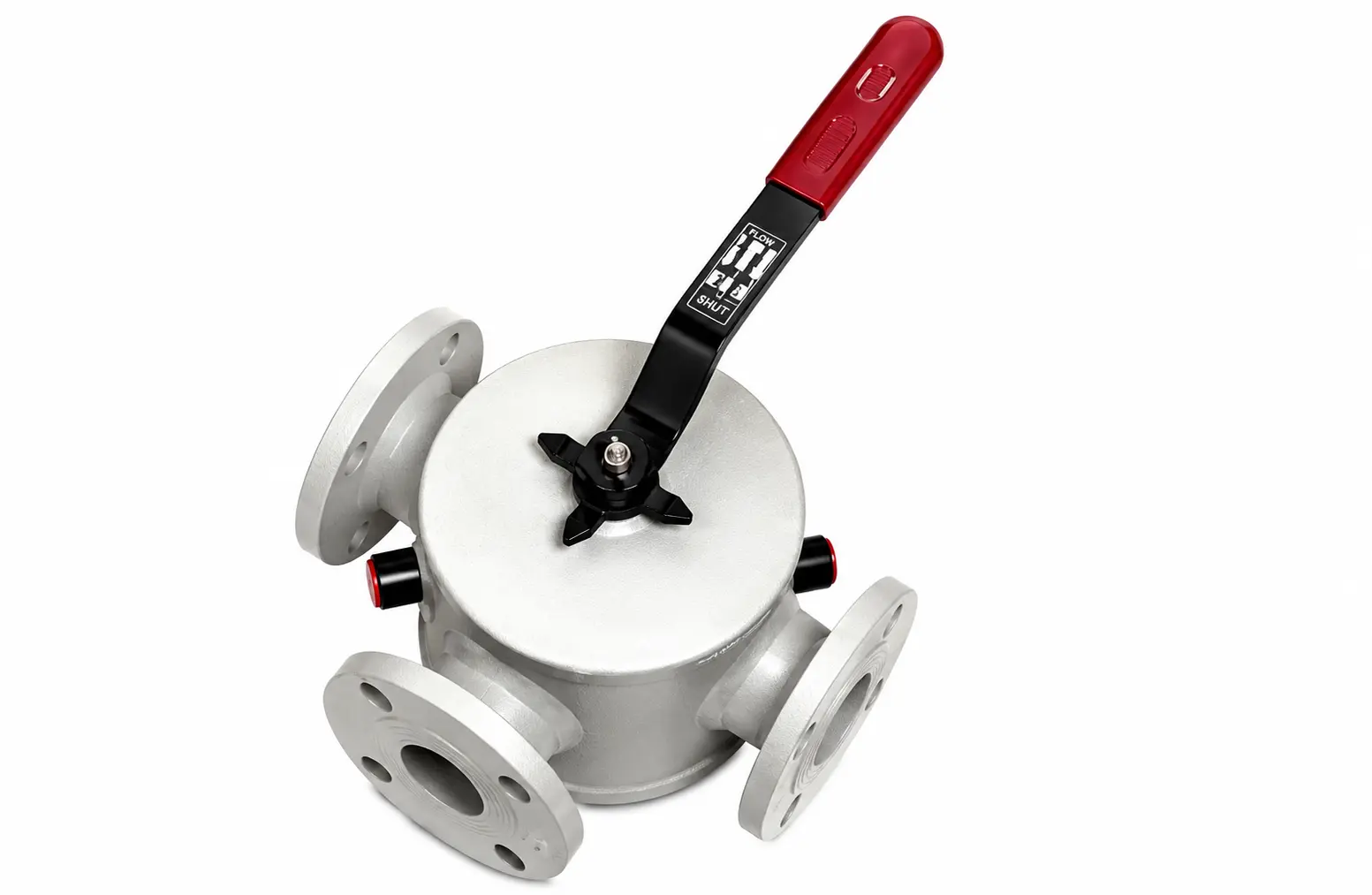
The Energy Miser Ball Valve is a specially engineered flow control valve for solvent extraction plants and edible oil refineries, designed to reduce energy loss and improve system-wide efficiency. Optimized for minimum pressure drop, leak-proof sealing, and thermal efficiency, these valves are ideal for handling steam, condensate, solvents, and oil across high-frequency process lines.
Unlike standard ball valves, energy miser ball valves are built to ensure smooth, low-resistance flow that reduces the load on pumps and compressors. In steam and heating systems, heat-retaining design features prevent unnecessary thermal loss and improve overall energy utilization across the plant.
Key Features
Low pressure drop design
For energy-efficient flow
Leak-proof sealing
To prevent solvent and steam losses
Thermal efficiency
With optional insulation features
Quick operation
Quarter-turn for fast control
Corrosion-resistant
Materials for long service life
Benefits in Solvent Plants
Reduces energy consumption
In pumping and heating systems
Minimizes steam and heat losses
In process lines
Improves process efficiency
And cost savings
Enhances safety
By preventing leakage of volatile solvents
radio_button_checked Flanges:
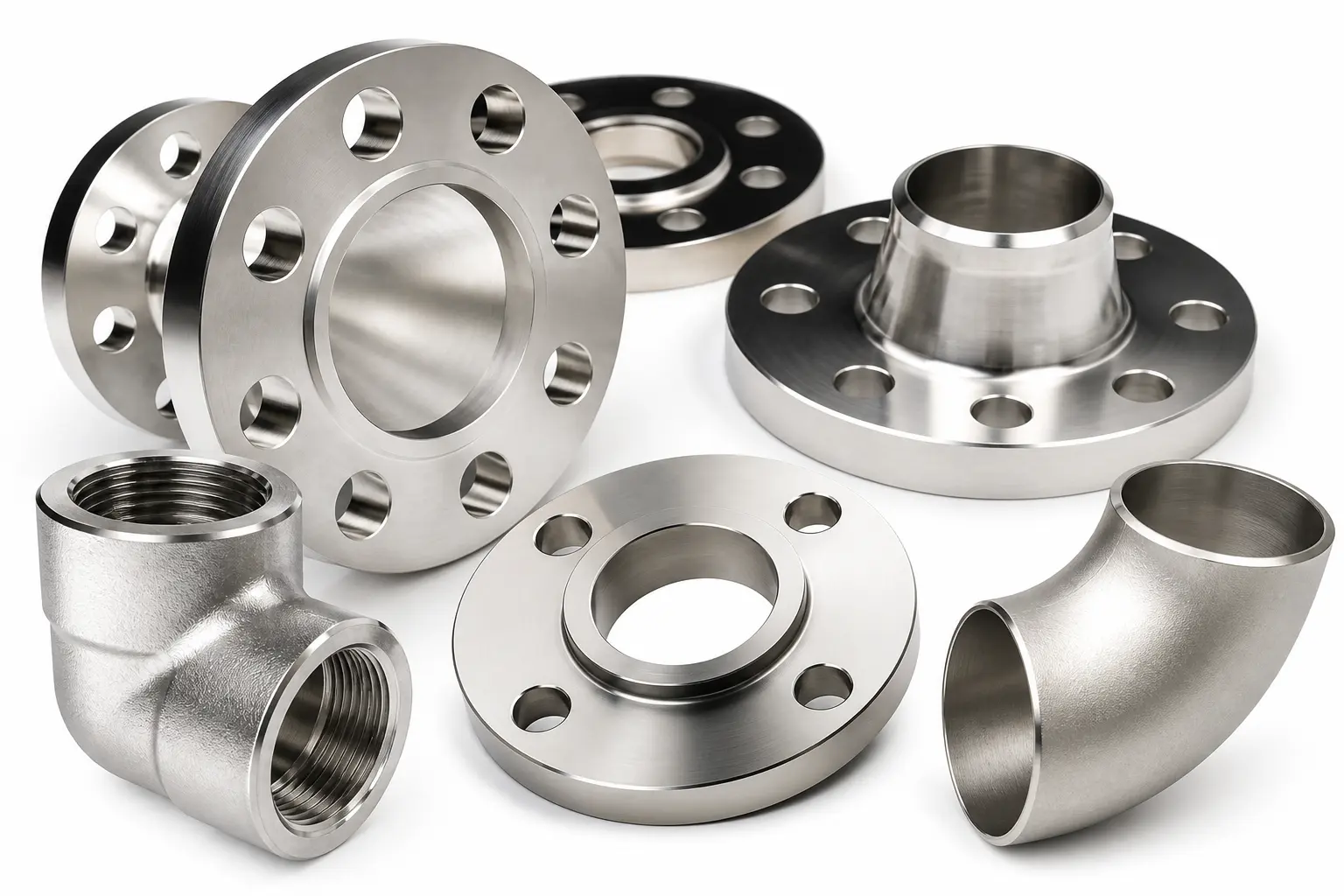
Flanges are used to join pipes, valves, and equipment in solvent extraction plants and edible oil refineries, allowing secure assembly and easy maintenance access across all pressure-rated pipeline connections. Super Techno Engineers supplies flanges in MS and stainless steel fittings for edible oil plant piping systems in the following types:
- • Weld Neck Flanges – Strong and suitable for high-pressure applications
- • Slip-On Flanges – Easy to install and cost-effective
- • Blind Flanges – Used to close pipe ends
- • Socket Weld Flanges – Ideal for small diameter pipes
MS/SS Flange and Fitting
MS (Mild Steel) and SS (Stainless Steel) flanges and fittings are essential pipeline components supplied by Super Techno Engineers for solvent extraction plants and edible oil refineries. They connect pipelines, control flow direction, and ensure leak-proof fluid transfer across all process lines handling hexane solvent, crude oil, steam, and water. As a trusted MS SS flanges and fittings supplier, we provide both standard and customized sizes in MS and SS 304 and SS 316 grades to match your plant piping specifications.
conversion_path Fittings:
Fittings manage flow direction, branching, and pipe size transitions across the plant piping network. Super Techno Engineers supplies complete MS and SS pipe fittings for solvent extraction and refinery systems including:
- • Elbows (90° / 45°) – Change flow direction
- • Tees – Divide or combine flow
- • Reducers – Connect different pipe sizes
- • Couplings and Unions – Join pipes securely
Material Comparison:
MS (Mild Steel):
Used in general service lines like water and non-corrosive fluids. Strong, cost-effective, but requires coating.
SS (Stainless Steel):
Used in corrosive areas handling solvents and edible oils. Excellent corrosion resistance, hygiene, and durability.
Key Features
High strength & pressure resistance
Leak-proof and secure connections
Corrosion resistance
(Especially SS)
Easy installation and maintenance
Sight Flow Indicator (Visi-Flo)
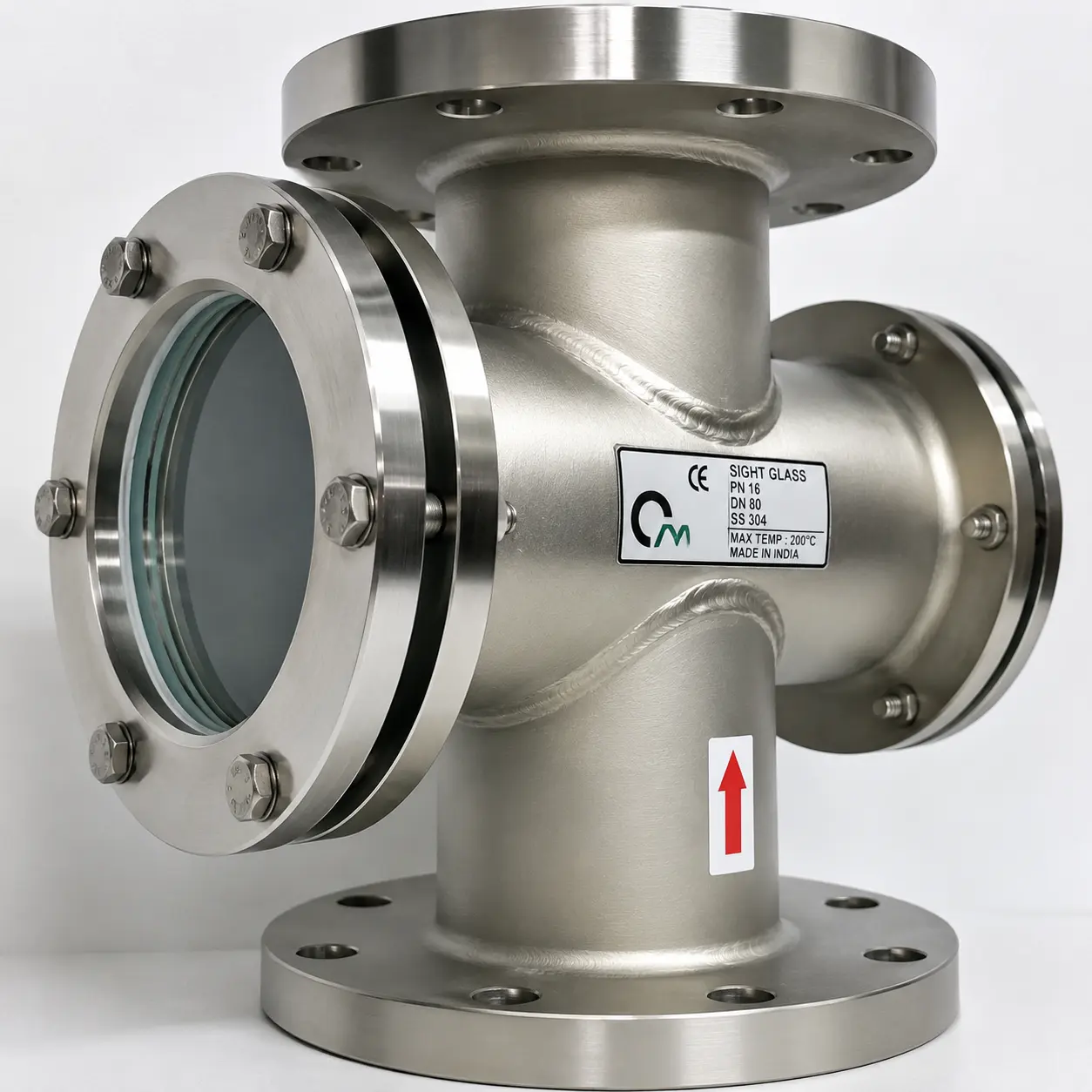
The Visi-Flo, also known as a sight flow indicator, is a visual monitoring device used in solvent extraction plants and edible oil refineries to confirm liquid flow inside pipelines without opening the line or interrupting the process. It allows operators to directly observe whether hexane solvent, crude oil, refined oil, or water is flowing correctly through the system at any point in the process.
Super Techno Engineers supplies sight flow indicators in MS and SS construction with transparent glass viewing windows, available in plain, rotary rotor, and double window configurations to suit different process visibility requirements.
Key Features
Visual flow confirmation
Without opening the pipeline
Transparent viewing section
For real-time monitoring
Leak-proof and pressure-resistant
Robust design
Available in MS and SS construction
For different applications
Can be fitted with rotor/indicator
For better visibility of flow
Flow Meter
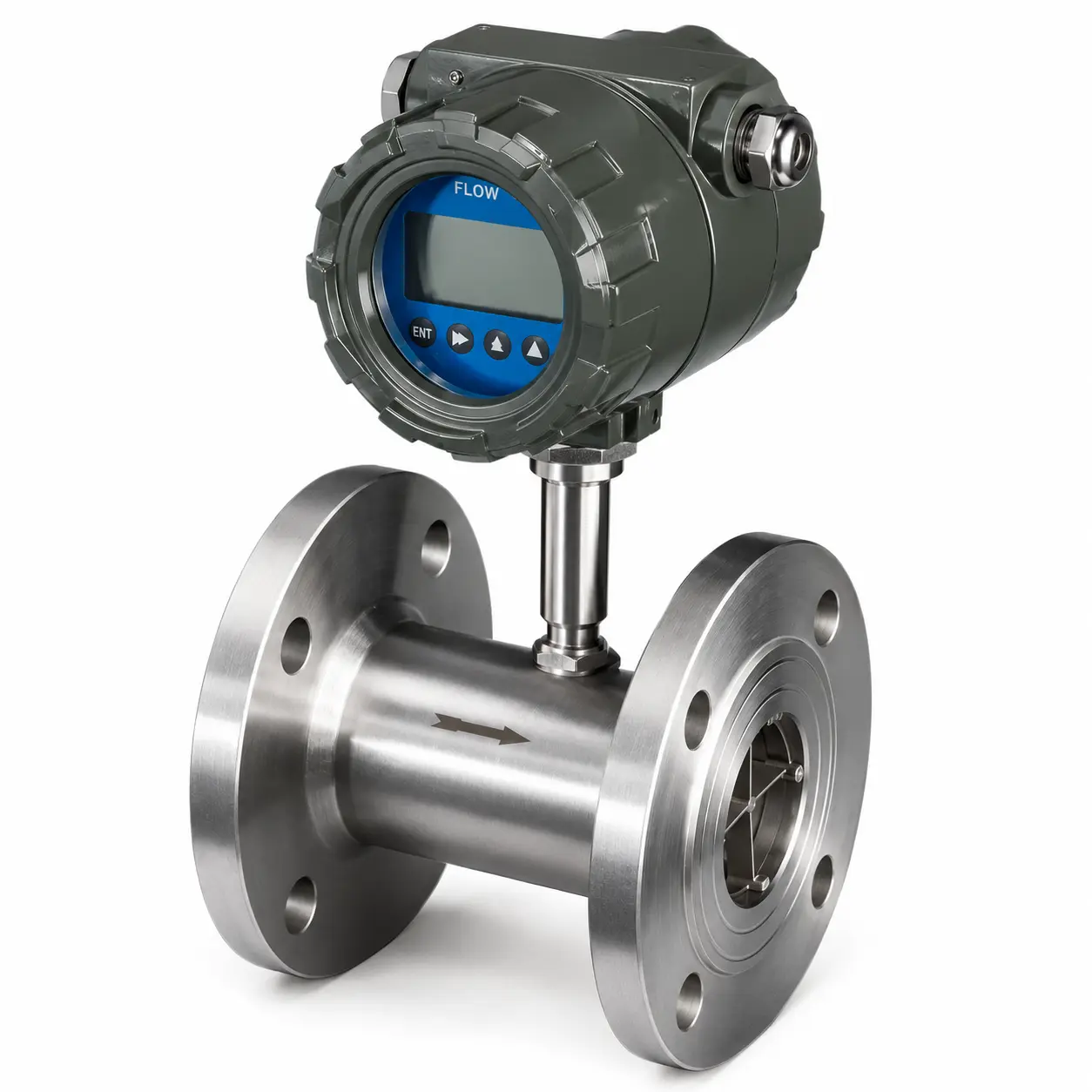
A Flow Meter is a critical piece of process instrumentation for edible oil refinery and solvent extraction plant operations, used to measure and monitor the flow rate and total volume of liquids and gases moving through pipelines. Flow meters provide accurate real-time data for hexane solvent feed, miscella transfer, crude oil intake, steam supply, and wash water circuits, helping operators maintain process consistency, optimize efficiency, and minimize material losses.
Key Functions
Measures flow rate
(LPM, m³/hr, etc.)
Tracks total volume/consumption
Helps in process control
And automation
Ensures accurate dosing
And transfer
Pressure Gauge
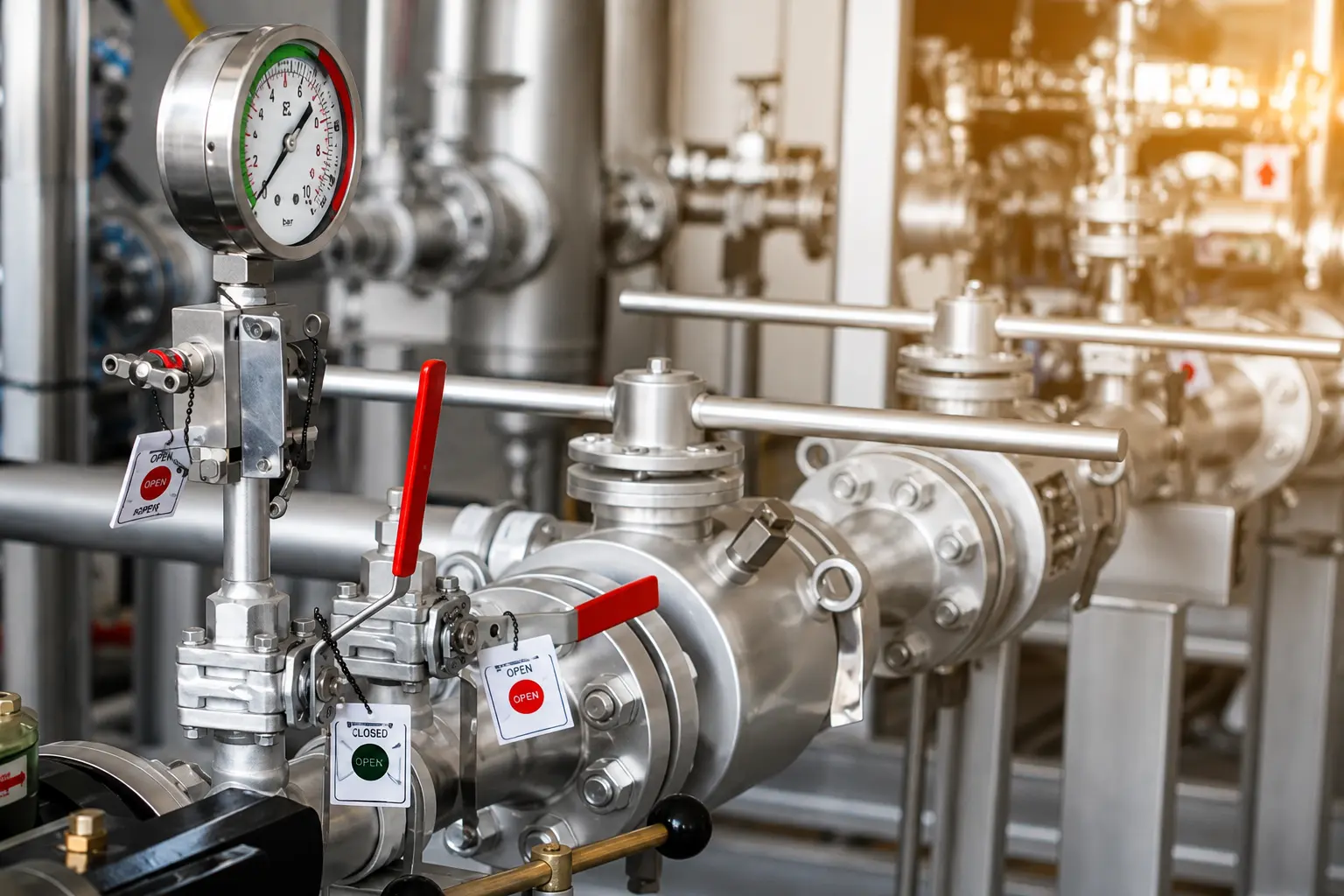
A Pressure Gauge is an essential instrument in any solvent extraction plant and edible oil refinery, used to measure and monitor pipeline and equipment pressure in real time. Accurate pressure monitoring ensures that systems handling hexane solvent, crude oil, steam, and wash water operate within safe design limits, protecting both equipment and personnel from pressure-related hazards.
settings Working Principle:
Pressure gauges operate on the Bourdon Tube principle, where a curved metal tube expands under applied pressure and mechanically moves a calibrated dial needle to display the current reading.
Key Features
Accurate pressure measurement
In real-time
Clear dial display
For easy reading
Dry or glycerin-filled types
For vibration resistance
Constructed in MS or SS
For durability and corrosion resistance
Can handle high pressure
And temperature conditions
Vaccum Gauge
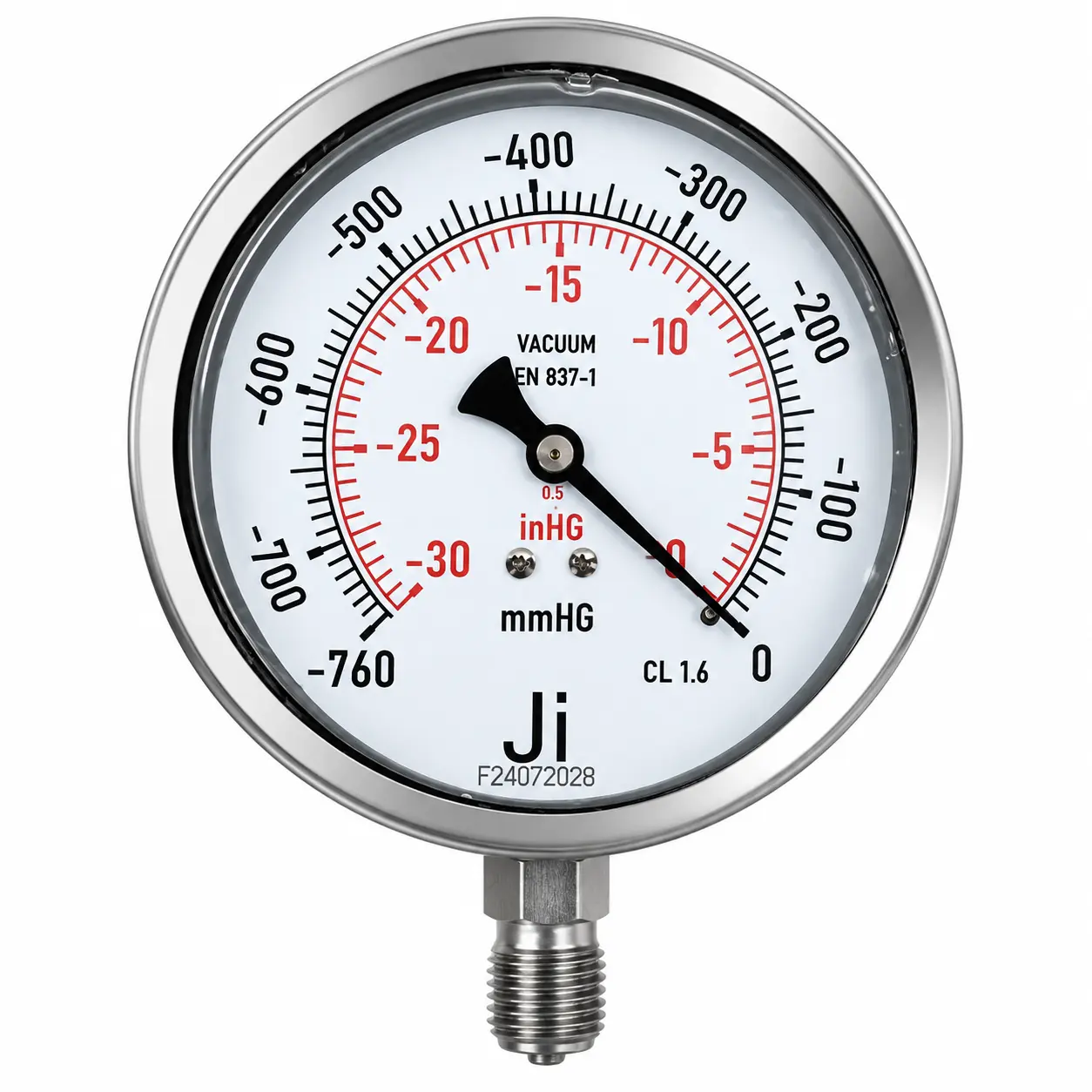
A Vacuum Gauge is an important instrument used in solvent extraction plants and edible oil refinery systems to measure pressure below atmospheric levels in vacuum-operated sections of the plant. Vacuum monitoring is critical in the miscella distillation system, deodorizer, vacuum dryer, and deaerator, where controlled negative pressure is essential for efficient solvent removal and oil quality protection.
settings Working Principle:
Working Principle: Vacuum gauges use the Bourdon Tube principle with a specially designed tube that responds to negative pressure, moving a calibrated needle to indicate the vacuum level in mmHg, bar, or inches of Hg.
Key Features
Measures negative pressure
(Vacuum) accurately
Clear dial readings
(Usually in mmHg, bar, or inches of Hg)
Available in dry or glycerin-filled types
For stable readings
Made in MS or SS
For corrosion resistance
Suitable for harsh
Industrial conditions
Nano Meter
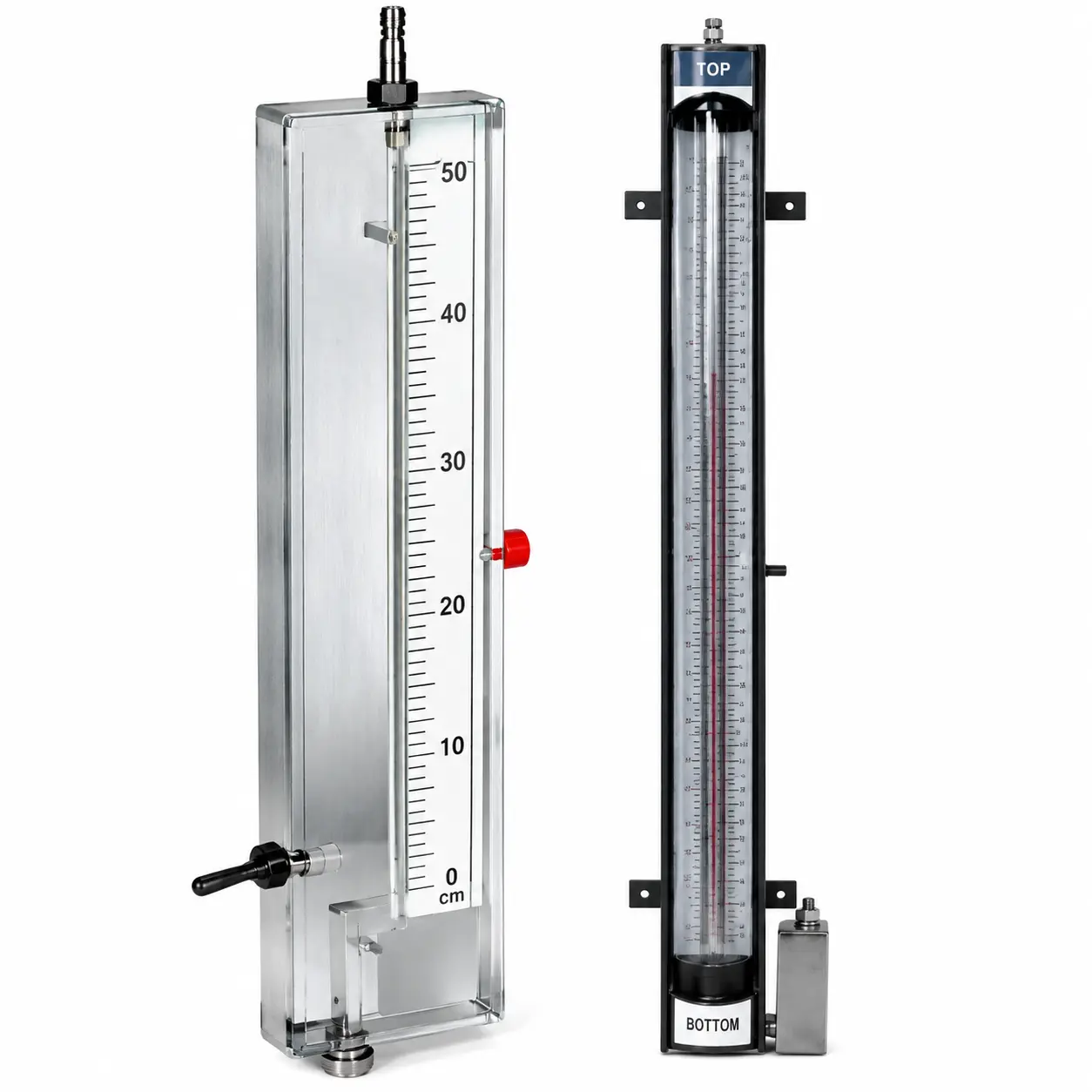
A Nano Meter is a high-precision digital measuring instrument used in solvent extraction plants and edible oil refineries for accurate monitoring and control of critical process parameters including temperature, pressure, flow, and level at very fine measurement resolutions. The high sensitivity of nano meters makes them suitable for applications where small process variations directly affect product quality and extraction efficiency.
The term “nano” indicates extremely small measurement sensitivity, making these meters suitable for applications where precision and stability are critical to product quality and process efficiency.
Key Features
High accuracy and sensitivity
For precise readings
Digital display
For easy monitoring
Compatible with various sensors
(Temperature, pressure, flow, etc.)
Real-time data output
For automation systems
Compact and reliable design
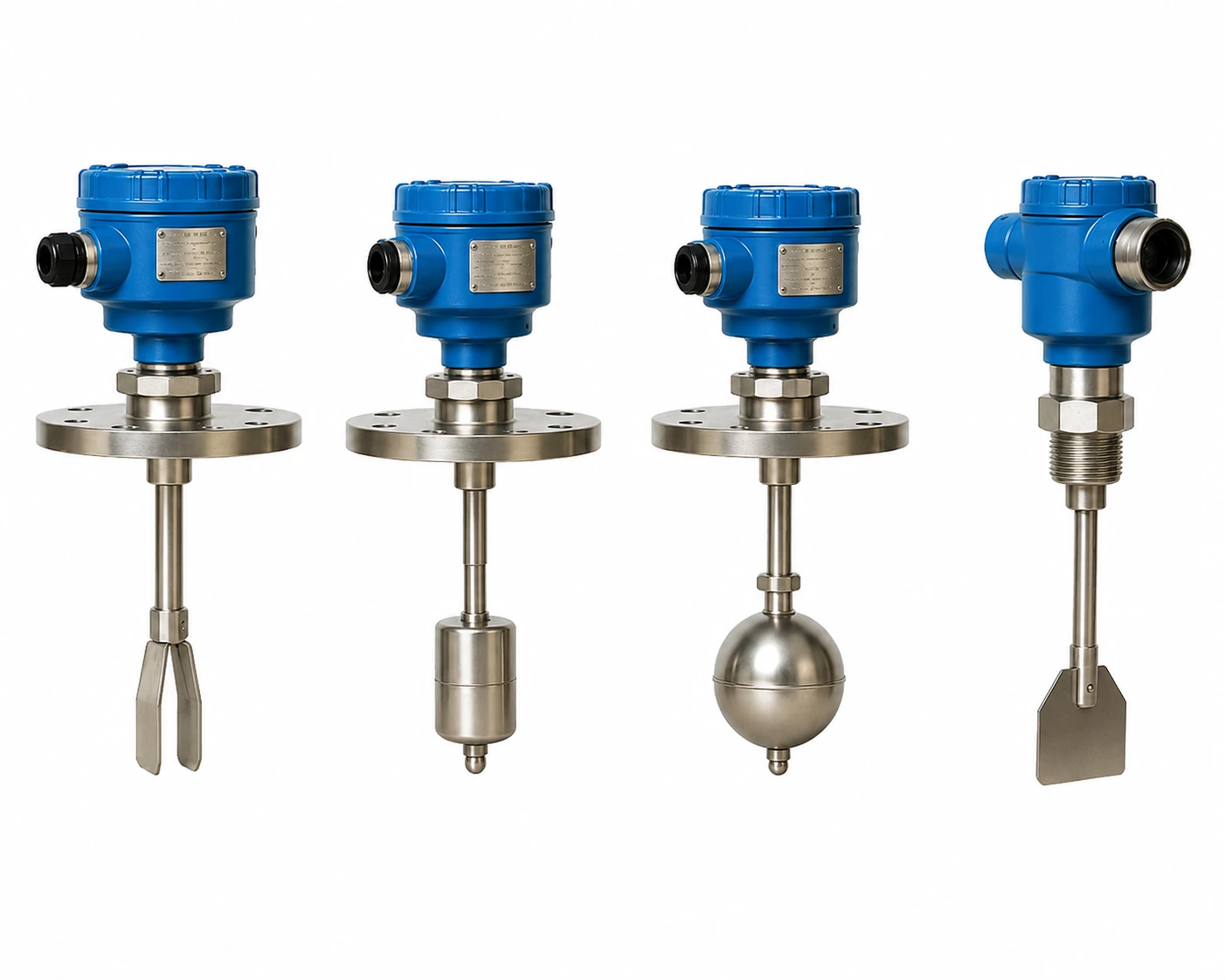
Level Switch
A Level Switch is an important control instrument used in solvent extraction plants to detect high and low liquid levels in tanks, hoppers, and process vessels, triggering automatic control actions to protect equipment and maintain safe process conditions.
Super Techno Engineers supplies level switches suitable for hexane miscella tanks, meal hoppers, and oil storage applications across solvent extraction and refinery systems.
Key Features
Accurate Level Detection
For high and low limits
Automatic Control
Triggers necessary actions instantly
Equipment Protection
Prevents overflow and dry runs
Versatile Application
For hexane, oil, and meal hoppers