
Cottonseed Solvent Extraction Plant
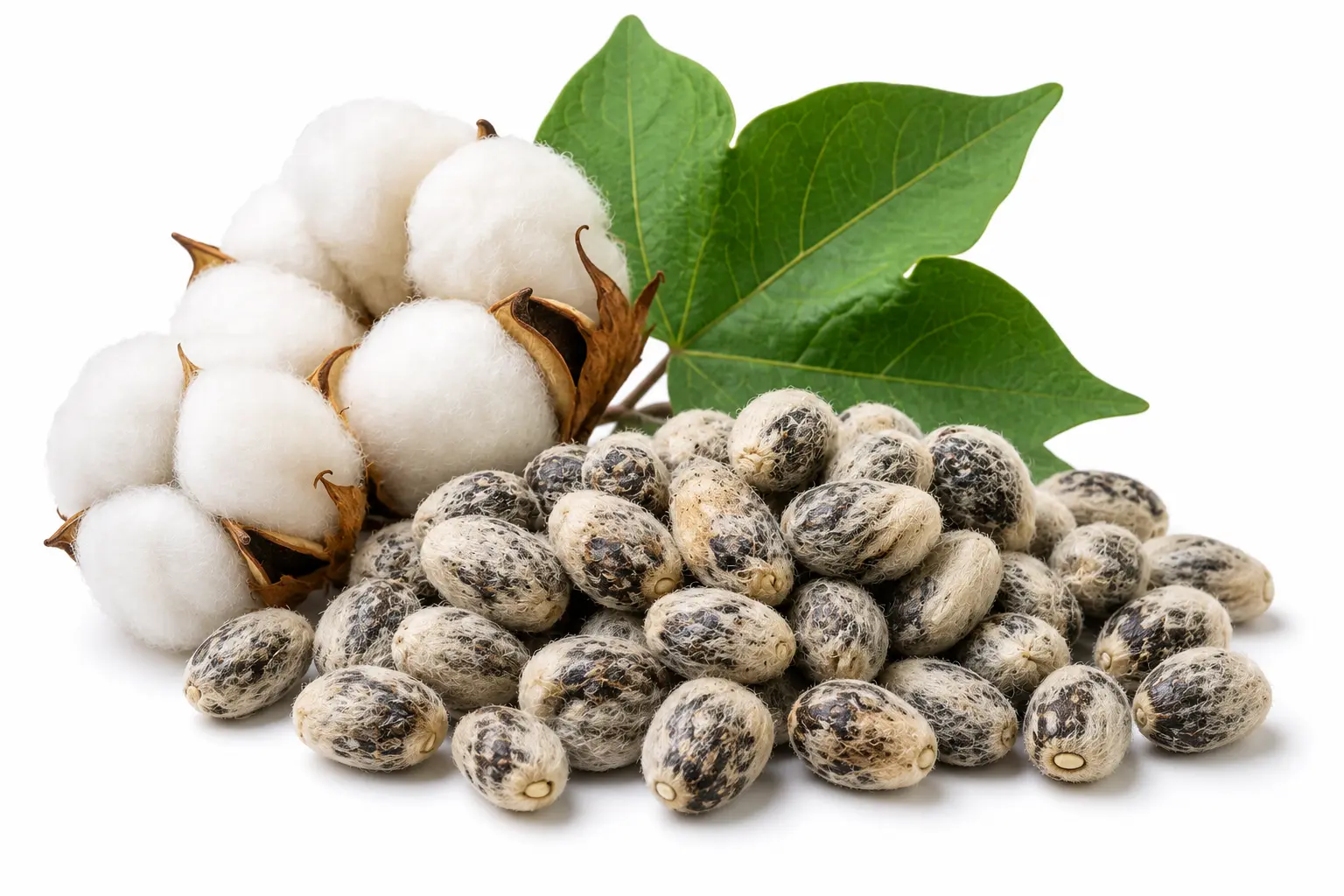
Super Techno Engineers Private Limited designs and supplies industrial-grade Cottonseed Solvent Extraction Plant built for maximum oil recovery from cottonseed and pre-pressed cottonseed cake. Cottonseed is a unique oilseed that contains 15% to 20% oil by weight but requires specialized preparatory steps due to the presence of lint on the seed surface and tough hulls surrounding the kernel meat. Unlike other oilseeds, cottonseed must go through delinting, decorticating, and dehulling before the kernel meat is ready for solvent contact.
Our Cottonseed Oil Extraction Plant integrates advanced seed preparation equipment with a continuous moving bed extractor where food-grade hexane dissolves the oil from prepared cottonseed collets or cake. The process includes a specialized Desolventizer Toaster (DT) that not only removes residual hexane from the meal but also heat-treats it to bind free gossypol, making the final de-oiled cottonseed meal safe and nutritious for livestock consumption. Each Cottonseed Oil Processing Plant we supply is engineered for continuous 24x7 operation with residual oil in the final cake maintained strictly below 1.0%.
 Cottonseed Solvent Extraction Plant
verified Features of Cottonseed Extraction Plant
- check_circle Continuous moving bed extractor optimized for cottonseed collets, pre-pressed cake, and full-pressed cake
- check_circle Specialized DT system designed to safely reduce free gossypol toxicity in the de-oiled meal
- check_circle Optional delinting and decorticating section for processing whole cottonseed directly
- check_circle Multi-stage miscella distillation system for optimal solvent recovery and dark cottonseed oil handling
- check_circle Zero-venting mineral oil absorption system to minimize hexane emissions to atmosphere
- check_circle Heavy-duty, wear-resistant construction for continuous long-term operation
- check_circle Fully automated control panel with interlock systems for safe, low-manpower plant operation
stars Advantages of Cottonseed Oil Manufacturing Plant
- check_circle Reduces residual oil in de-oiled cake to strictly below 1.0%, maximizing revenue per tonne processed
- check_circle Specialized DT heat treatment binds gossypol in the meal, making it safe for cattle and poultry feed
- check_circle Produces high-quality cottonseed meal (DOC) with a protein content of 40% to 42%
- check_circle Compatible with multiple input materials including whole cottonseed, pre-pressed cake, fully pressed cake, and expander-produced collets
- check_circle The closed-loop hexane recovery system minimizes solvent loss to less than 2.0 liters per tonne of processed material.
- check_circle Scalable Cottonseed Extraction Plant capacity from 50 TPD to 1500 TPD to match your requirement
- check_circle Highly automated operation significantly lowers utility consumption and labour costs per tonne
Cottonseed Preparation Methods
Cottonseed processing is more challenging than processing many other oilseeds due to the presence of lint and hulls. Super Techno Engineers configures every Cottonseed Oil Production Plant based on your raw material condition and existing infrastructure. Four proven preparation methods are available:
Method 1 Direct Screw Press
Whole cottonseed is cleaned and passed directly through screw presses without delinting or dehulling. This is suited for small-scale operations. Oil content in the cake after pressing is around 7%, which is then solvent extracted to below 1.0%. However, because the feed contains hulls and lint, this process produces darker oil and meal with a lower protein content.
Method 2 Full Press
Cottonseed goes through delinting, decorticating, cracking, and dehulling before being conditioned and fed into screw presses. The press reduces oil content in the cake to 6% to 7%. This fully pressed cake is then fed to the Cottonseed Solvent Extraction System, which recovers the remaining oil and brings residual oil below 1.0% in the final meal.
Method 3 Pre-Press
After complete seed preparation including delinting, decorticating, cracking, dehulling, and conditioning, the cottonseed meat is fed into pre-press screw presses. More than 50% of the oil is recovered in the press, leaving approximately 18% oil in the cake. This pre-pressed cake then goes to the Cotton Seed Extraction Plant for solvent extraction, reducing residual oil to below 1.0%.
Method 4 Expander Process
Prepared cottonseed flakes are conditioned to 85°C and passed through an expander fitted with a squeeze-o-matic arrangement. The expander releases 10% to 12% of the oil and converts the flakes into high-porosity collets. These collets at 95°C to 100°C are cooled and dried to 55°C and 8% to 9% moisture before entering the Cottonseed Processing Plant extractor. The high porosity of collets allows faster hexane penetration and better extraction efficiency compared to cake or flakes.
Cottonseed Solvent Extraction Process
Every Cottonseed Oil Mill Plant we build follows a structured step-by-step process to ensure maximum oil recovery and high-quality meal output:
Cleaning
Cottonseed received from ginning mills is cleaned using vibratory cleaners or rotary drum cleaners to remove dust, fiber, and solid impurities.
Magnetic Separation
Cleaned cottonseed passes through permanent or rotary drum magnets to remove all iron particles that could damage downstream machinery.
Delinting
Cottonseed contains 6% to 8% lint on its surface. The seed passes through delinters that remove up to 4% surface lint, converting the fuzzy seed into a cleaner black seed. The removed lint is collected and used in napkin or surgical cotton industries.
Decorticating and Cracking
Delinted black seeds are passed through seed crackers that break each seed into 2 to 3 pieces. This exposes the inner kernel meat for further processing.
Dehulling
Cracked seed pieces pass through dehullers fitted with rubber rollers that separate the hulls from the kernel meat. Hulls, which make up more than 30% of the cracked seed, are separated out. Dehulling increases oil content in the remaining meat to 30% to 36%, significantly improving extraction efficiency.
Cooking and Conditioning
Dehulled cottonseed meat is fed into a cooker-conditioner where temperature is raised using jacketed steam and a small quantity of live steam. Conditioning softens the cell walls and prepares the material for flaking or expanding.
Flaking or Expanding
Conditioned meat goes through flaking rolls to form thin flakes of 0.35 mm thickness, or through an expander system that converts flakes into high-porosity collets. Both formats ensure maximum surface area for hexane contact in the extractor.
Solvent Extraction
Prepared flakes, collets, or pressed cake are fed into a continuous deep-bed extractor through a rotary valve or Plug-O-Seal system. Inside the extractor, food-grade hexane flows in the opposite direction of the material, dissolving the oil and creating a liquid mixture known as miscella. This miscella is collected and cleaned using filters or hydro-cyclones before being sent to the distillation section. The remaining de-oiled wet meal is then transferred to the Desolventizer Toaster for solvent removal.
Desolventization
Wet marc enters the Desolventizer Toaster where live steam and indirect heating remove residual hexane. The DT also heat-treats the meal to bind free gossypol, making it safe for livestock. The de-solventized meal exits at approximately 110°C, is cooled to 10°C above ambient, and sent for bagging.
Miscella Distillation
The oil-hexane mixture (miscella) is processed through a two-stage evaporation and stripping system to separate the solvent from the oil. Hexane is recovered, condensed, and recycled back to the extractor. The final cottonseed oil contains less than 0.1% residual solvent and is ready for storage or further refining.
Solvent Recovery and Condensation
Hexane vapors from the DT, evaporators, and vent lines are cooled in a condenser system, where they are turned back into liquid form and recovered for reuse in the process. A mineral oil absorption unit captures trace hexane from non-condensable gases, keeping overall solvent loss under 2.0 liters per tonne processed.
Feed Specifications
| Feed Type | Feed Material | Moisture | Oil Content |
|---|---|---|---|
| Pre-pressed Cottonseed Cake | Cottonseed cake with less than 0.5% fines | 8% to 9% | 18% to 20% |
| Full-pressed Cottonseed Cake | Cottonseed cake with less than 0.5% fines | 8% to 9% | 7% to 8% |
| Expanded Cottonseed Collets | Cottonseed collets with less than 0.5% fines | 8% to 9% | 20% to 25% |
Plant Specifications
Every Cottonseed Oil Plant we deliver comes with the following standard technical specifications:
| Parameter | Standard Value |
|---|---|
| Plant Capacity | 50 TPD to 1500 TPD |
| Raw Material | Whole Cottonseed / Pre-pressed / Full-pressed Cake / Expanded Collets |
| Feed Oil Content | 7% to 36% depending on method |
| Residual Oil in Meal | Less than 1.0% |
| Solvent Used | Food Grade Hexane |
| Solvent Loss | Less than 2.0 Liters per Tonne |
| Meal Protein (DOC) | 40% to 42% |
| Meal Moisture after DT | 9% to 10% |
| Material of Construction | Carbon Steel / Stainless Steel (product contact parts) |
| Automation | PLC-based control system |
* Equipment comes standard with specific measurements. Options and modifications available as per client needs.
Output Products
Every tonne of cottonseed processed through our Cottonseed Solvent Extraction Plant produces two high-value commercial outputs:
water_drop Cottonseed Oil (Solvent Extracted)
| Parameter | Value |
|---|---|
| Residual Solvent | Less than 0.1% |
| MIV | 0.20% |
| Filterable Impurities | 0.15% |
| FFA | 2% (depends on feed quality) |
| Flash Point | 125°C |
category De-oiled Cottonseed Cake (DOC)
| Parameter | Value |
|---|---|
| Residual Oil | 0.6% to 0.8% |
| Moisture | 9% to 10% |
| Protein Content | 40% to 42% |
| Hexane | Less than 600 ppm |
Frequently Asked Questions
Common technical queries about our Cottonseed Solvent Extraction Plant
Q1. Why is seed preparation so important for cottonseed processing?
expand_more
Cottonseed has lint on its surface and tough hulls surrounding the kernel. If these are not removed before extraction, they reduce oil content in the feed, lower meal protein, produce darker oil, and increase chemical consumption during refining. Proper delinting, decorticating, cracking, and dehulling raises kernel meat oil content to 30% to 36%, which significantly improves extraction efficiency and final product quality.
Q2. How is gossypol managed during the extraction process?
expand_more
Gossypol is a naturally occurring toxic compound in cottonseed. During the Desolventization step, the DT applies controlled steam and heat to the de-oiled meal. This heat treatment converts free gossypol into bound gossypol, which is non-toxic and safe for livestock consumption. Our specialized DT system ensures complete gossypol binding in the final cottonseed meal.
Q3. Can we process cottonseed cake directly instead of whole seeds?
expand_more
Yes. If you already have screw presses in your facility, the pre-pressed or full-pressed cottonseed cake can be fed directly into our Cottonseed Solvent Extraction Plant without the seed preparation section. The cake needs to be broken and screened to proper size before feeding into the extractor. Moisture content should be at 8% to 9% for efficient hexane penetration.
Q4. Is an expander required for processing cottonseed?
expand_more
An expander is not mandatory but significantly improves extraction efficiency. Expander-produced collets have higher porosity than regular flakes or pressed cake, allowing faster hexane penetration and better oil dissolution. For large-capacity plants processing whole cottonseed, the expander process is recommended as it also reduces extractor size requirements compared to flake-based direct extraction.
Q5. How efficient is the solvent recovery system?
expand_more
Our closed-loop solvent recovery system uses multi-stage condensation combined with a mineral oil absorption-desorption unit to capture hexane from all vent streams including the DT, evaporators, and safety vents. Overall hexane loss is maintained below 2.0 liters per tonne of material processed, which significantly reduces operating costs and ensures compliance with safety and environmental norms.
Q6. Do you provide custom capacities for industrial cottonseed plants?
expand_more
Yes. Super Techno Engineers designs and supplies Cottonseed Solvent Extraction Plants from 50 TPD to 1500 TPD. For large industrial requirements beyond standard capacities, our engineering team can design custom plant configurations. We also offer complete turnkey solutions including seed preparation, solvent extraction, miscella distillation, meal bagging, and utility sections based on your site and production requirements.
Enquiry Now
(Please fill the form below)