Soybean Solvent Extraction Plant
High-Protein Soybean Meal. Maximum Oil Recovery. Built for Industrial Scale.
Super Techno Engineers Private Limited's Soybean Solvent Extraction Plant is purpose engineered for two outputs that matter most maximum crude soybean oil recovery and high protein de oiled soybean meal (DOC). Soybeans rank among the most commercially processed oilseeds worldwide and our soybean oil extraction plant is built to match that scale. Before hexane extraction begins, every soybean batch undergoes multi stage seed preparation cleaning, cracking, optional dehulling for HI-PRO meal production, flaking, and expanding into highly porous collets that allow deep solvent penetration and superior oil yield. Foodb grade hexane does the rest delivering residual oil below 1% and premium-grade meal fit for animal and poultry feed markets globally.
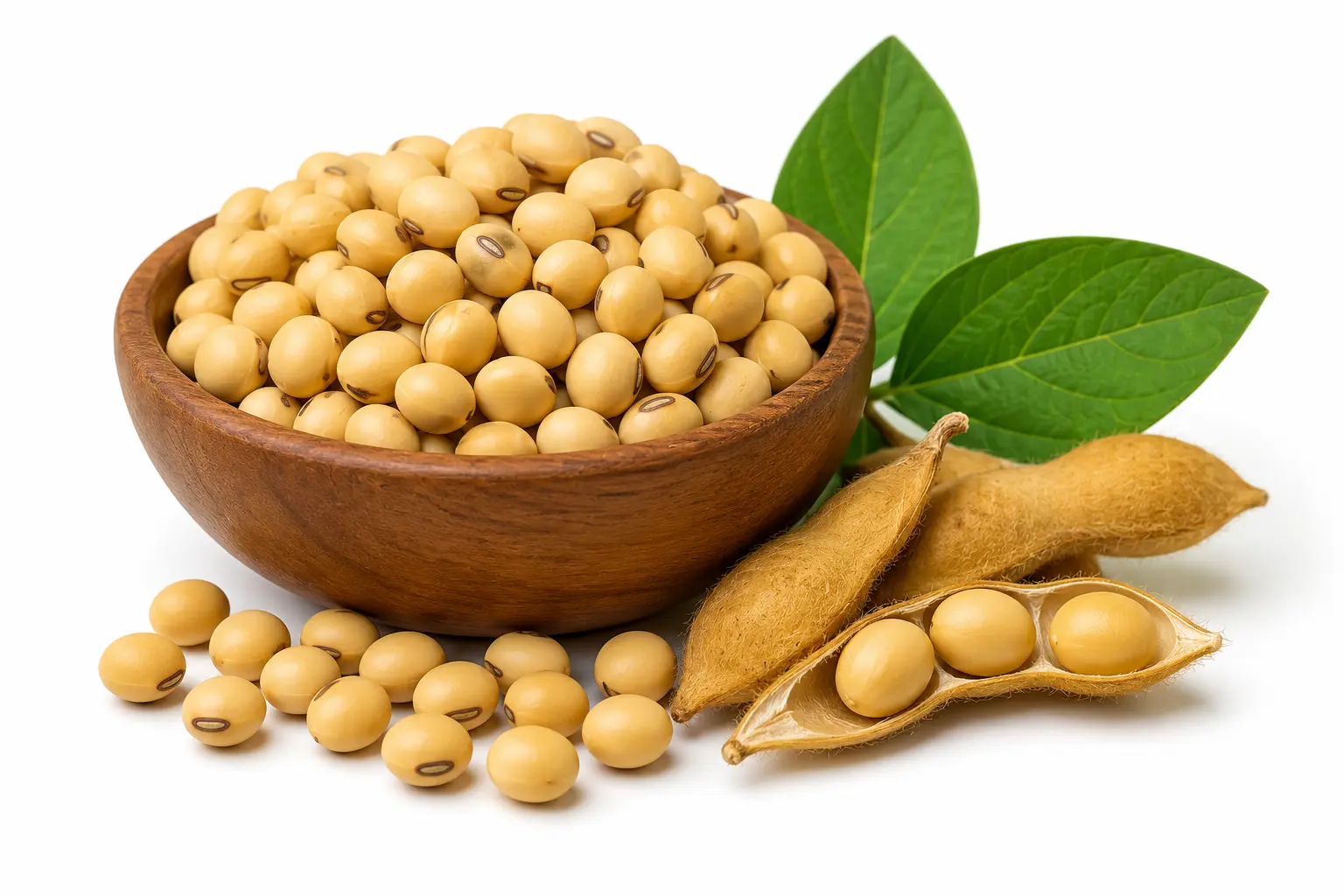 Soybean Solvent Extraction Plant
verified Features of Soybean Extraction Plant
- check_circle Continuous moving bed extractor engineered for high-throughput soybean oil extraction with consistent mass transfer efficiency
- check_circle Advanced Desolventizer Toaster (DT) complete solvent removal with controlled urease deactivation for feed-safe soybean meal
- check_circle Multi-stage miscella distillation progressive hexane recovery delivering refined crude soybean oil at minimal solvent loss
- check_circle Zero-venting mineral oil absorption system hexane emissions captured and controlled to meet environmental compliance standards
stars Advantages
- check Residual oil in meal stays strictly below 1.0% maximum soybean oil production plant yield from every ton processed
- check HI-PRO soybean meal capability higher protein content for premium feed market positioning
- check PLC-driven automation across every production stage your soybean solvent extraction system runs at peak output with minimal manpower and optimized utility usage.
support_agent Need Expert Advice?
Have questions about plant capacity or technical specs? Talk to our engineers.
Why Choose Us?
- verified ISO 9001:2015 Certified Manufacturing
- engineering In-house Engineering & Custom Design
- public Global Turnkey Installation & Support
Soybean The World's Most Traded Oilseed
Soybean is a legume crop with deep agricultural roots in East Asian farming traditions now cultivated across six continents and traded in volumes no other oilseed comes close to matching. The world's top producing nations led by Brazil and the United States, followed by Argentina, China, and India collectively drive a multi-billion dollar global soybean industry that shows no signs of slowing.
What makes soybean uniquely valuable is its dual output both oil and protein are commercially extracted from the same seed. Soybean oil serves as a globally preferred cooking and food processing fat, while de-oiled soybean meal is the backbone of the animal feed and aquaculture industries worldwide.
With an oil content of 18–20% and protein content of 34–38%, soybeans deliver strong commercial returns from every ton processed making an efficient, high-recovery soybean solvent extraction plant a critical investment for any serious oilseed processor.
Where Does Soybean Oil Go?
Global Markets & Applications
Every ton of soybean oil your plant produces has multiple high-value destinations:
Cooking & Edible Oil
Soybean oil is one of the most widely consumed cooking oils globally light, neutral-flavored, and suitable for frying, baking, and everyday food preparation.
Salad Oil & Food Processing
Its low saturated fat profile makes soybean oil a preferred ingredient in salad dressings, mayonnaise, margarine, and processed food manufacturing.
Animal & Poultry Feed
De-oiled soybean meal from your soybean oil production plant is the world's leading plant-based protein source for poultry, aquaculture, swine, and dairy feed formulations.
Texturized Vegetable Protein (TVP)
Soybean meal is processed into texturized vegetable protein a mainstream meat substitute and dietary supplement consumed globally.
Industrial Applications
Soybean oil is used in biodiesel production, lubricants, inks, and industrial coatings expanding revenue opportunities beyond food markets.
Soybean Solvent Extraction Plant Process
Step by Step
Every stage of our soybean oil extraction plant is engineered for maximum oil recovery, high-protein meal output, and consistent production quality.
Cleaning
Raw soybeans arriving from farms carry field debris legume shells, dust, sand, and stones collected during harvest. A rotary drum sieve combined with a vibratory cleaner and aspiration channel removes these contaminants protecting downstream machinery and ensuring clean feed material enters the soybean processing plant.
Magnetic Separation
Processing equipment introduces metallic wear particles into the seed stream over time. A magnetic drum separator intercepts all ferrous contamination nuts, bolts, wire fragments before cracking begins. Equipment protection starts at this stage.
De-Stoning
Stones matching soybean size pass through standard cleaning undetected. A gravity-based destoner operating under controlled aspiration separates stones using density difference removing same-size stones that would otherwise damage cracker rolls and escalate maintenance costs across your soybean oil extraction machinery.
Cracking
Whole soybeans are hard, dense seeds that resist direct solvent penetration. Chilled cast iron cracker rolls with precision-machined grooves hardness rated at Brinell 450–500 — break each bean into 2 to 8 uniform fragments. Controlled crack size is essential for efficient flaking in the next stage.
Partial De-Hulling
Cracked soybean pieces carry loosely attached hulls containing up to 6% fiber. Partial dehulling removes a portion of these hulls bringing fiber content down to 2.5–3% and proportionally raising meal protein content to 47.5–48%. This optional step is activated when producing premium HI-PRO soybean meal for high-value feed markets.
Conditioning / Cooking
Cracked soybean pieces enter a vertical stack or horizontal rotary cooker heated to 65–70°C using jacketed and live steam. Moisture is raised to 11–12%. This softens the seed structure, making it pliable for the flaking rolls that follow a critical preparation step for any high-capacity industrial soybean oil extraction plant.
Flaking
Conditioned soybean pieces pass between a pair of precision chilled cast iron rolls set to a gap of 0.2–0.35mm. This ruptures oil cells and spreads the material into thin, uniform flakes that expose internal oil for hexane contact. Flake thickness directly determines extraction efficiency too thin creates powder, too thick prevents solvent penetration.
Expanding
At capacities above 100–150 TPD, flakes alone are too low-density for efficient extractor operation. A soybean expander conditions flakes in a horizontal flake conditioner before compressing and expanding them into dense, porous collets increasing bulk density by approximately 35%, improving hexane percolation, and significantly raising extractor throughput across your soybean solvent extraction system.
Collet Drying & Cooling
Collets exiting the expander carry 12–13% moisture at 105°C conditions incompatible with safe hexane extraction. Hot and cold air radiators dry and cool the collets to below 55°C and under 10% moisture. Aspiration channels collect and recycle fines back into the process — nothing wasted.
Solvent Extraction
Cooled soybean collets or flakes enter the Moving Bed Extractor through a sealed feed system with level controls. Food-grade hexane is distributed counter-currently across the moving material bed penetrating every pore, dissolving oil, and forming miscella. Filtered miscella transfers to the holding tank. De-oiled material exits through a sealed discharge conveyor to the Desolventizer Toaster completing the core soybean oil extraction process.
Meal Conditioning & Bagging
De-oiled soybean meal discharged from the DT at 110°C is cooled to 10°C above ambient. Lumps typically 10–15% of output — are sieved and ground to specification. Final meal is automatically bagged in 50–75kg bags and stacked for dispatch to poultry feed manufacturers, aquaculture processors, or feed millers worldwide.
Specifications
| Parameter | Standard Value / Details |
|---|---|
| Plant Capacity | 100 TPD to 3000 TPD (Tonnes Per Day) |
| Raw Material | Soybeans / Soya Seeds |
| Residual Oil in Meal | Less than 1.0% |
| Solvent Used | Food Grade Hexane |
| Solvent Loss | Less than 2.0 Litres per Ton of material |
| Material of Construction | Heavy-gauge carbon steel structure with stainless steel on all product-contact surfaces |
* All equipment is supplied with defined standard dimensions. Custom configurations are available based on specific soybean oil processing plant capacity and layout requirements.
Frequently Asked Questions
Common technical queries about our Soybean Solvent Extraction Plant
Q1. What oil yield does Super Techno Engineers Private Limited's Soybean Solvent Extraction Plant deliver?
expand_more
Soybeans naturally carry 18–20% oil content. Our soybean oil extraction plant is engineered to capture virtually all of it keeping residual oil in extracted meal below 1.0%. Actual yield of 17–19% crude soybean oil per ton is achievable depending on incoming seed quality and moisture levels.
Q2. Can Super Techno Engineers Private Limited's plant produce HI-PRO soybean meal?
expand_more
Yes. Our soybean processing plant includes an integrated dehulling section in the preparatory stage removing seed hulls before extraction begins. This elevates de-oiled meal protein content to above 48% positioning your output for premium animal and poultry feed markets globally.
Q3. Is an expander necessary in a Soybean Oil Manufacturing Plant?
expand_more
For high-capacity industrial soybean oil extraction plants, an expander is strongly recommended. Converting flakes into dense, porous collets improves hexane penetration depth, raises extractor throughput, reduces solvent retention in meal, and lowers overall steam demand making your entire soybean solvent extraction system more efficient.
Q4. What does the Desolventizer Toaster (DT) do in a Soybean Oil Processing Plant?
expand_more
The DT performs two critical functions simultaneously stripping residual hexane from extracted meal using controlled steam, and toasting the meal at precise temperatures to destroy anti-nutritional factors like urease and trypsin inhibitors. The result is safe, digestible, food-grade soybean meal ready for feed manufacturing.
Q5. How does Super Techno Engineers Private Limited manage solvent safety and emissions?
expand_more
Every industrial soybean oil extraction plant we supply operates on a fully closed-loop hexane management system integrated with a mineral oil absorption unit that captures escaping vapors before they reach atmosphere. Solvent loss stays below 2 litres per ton processed — keeping your plant environmentally compliant and operationally safe.
Q6. Does Super Techno Engineers Private Limited provide capacity upgrades for existing soybean extraction plants?
expand_more
Yes. Our engineering team conducts a detailed audit of your existing soybean oil plant before recommending targeted upgrades whether it's adding an expander, upgrading the extractor, or enhancing the miscella distillation system. Capacity enhancement is possible without full plant replacement in most cases.
Enquiry Now
(Please fill the form below)