
Stripping Column
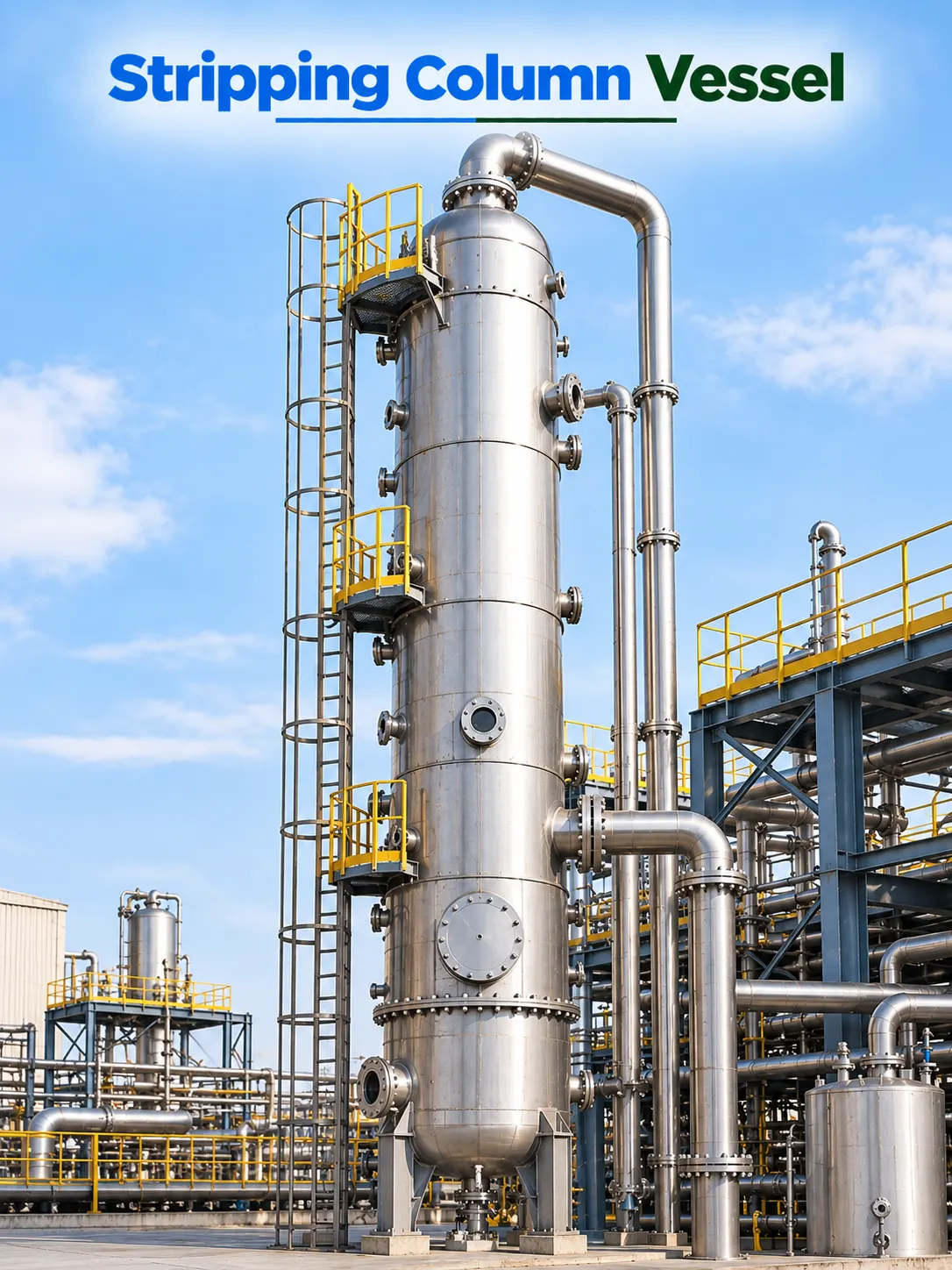
Vacuum Stripping Column that removes the last traces of solvent from oil using steam, holding residual solvent to the low levels needed for refining.
Stripping Column
Precision Final-Stage Solvent Stripping
After miscella has passed through the evaporator stages, the oil still carries a small trace of solvent that plain evaporation cannot remove. The Stripping Column is the equipment that takes care of this last step, using steam to strip out the remaining solvent so the oil leaves the distillation section within the residual solvent limit needed for refining.
Super Techno Engineers manufactures the Stripping Column as part of the complete miscella distillation line, built for capacities from 50 TPD to 1500+ TPD. The column is designed to strip solvent thoroughly while keeping oil exposure to heat as short as possible, so oil color and quality are not affected during this final stage.
Operating under deep vacuum, our thin-film steam stripping columns eliminate heat degradation, protect volatile natural antioxidants, and ensure ultra-low residual solvent content in commercial edible oil extraction plants.
How a Stripping Column Works
Concentrated oil from the evaporator stages enters the Stripping Column and flows down through the column while steam moves up through it. As the oil travels down, live steam strips the remaining solvent vapor out of it, and the mixed solvent and steam vapor leaves from the top of the column to the condenser system. The stripped oil is collected at the bottom, with residual solvent brought down to the level needed for the refining process ahead.
Since the column operates under vacuum, the oil does not need to reach a high temperature for stripping to work, which keeps thermal stress on the oil to a minimum.
Advanced Stripping Column Technologies
Vacuum Stripping Column
Running the Stripping Column under vacuum lowers the boiling point of the solvent trapped in the oil, so stripping can happen at a lower oil temperature. This is the main reason a Vacuum Stripping Column is used instead of atmospheric stripping for edible oil applications.
- check_circle Lower operating temperature reduces the risk of oil discoloration.
- check_circle Vacuum pulls solvent vapor out of the oil more effectively than atmospheric stripping.
- check_circle Protects heat-sensitive oils that darken or degrade at higher temperatures.
- check_circle Works in coordination with the plant's vacuum system for consistent performance.
Steam Stripping Column
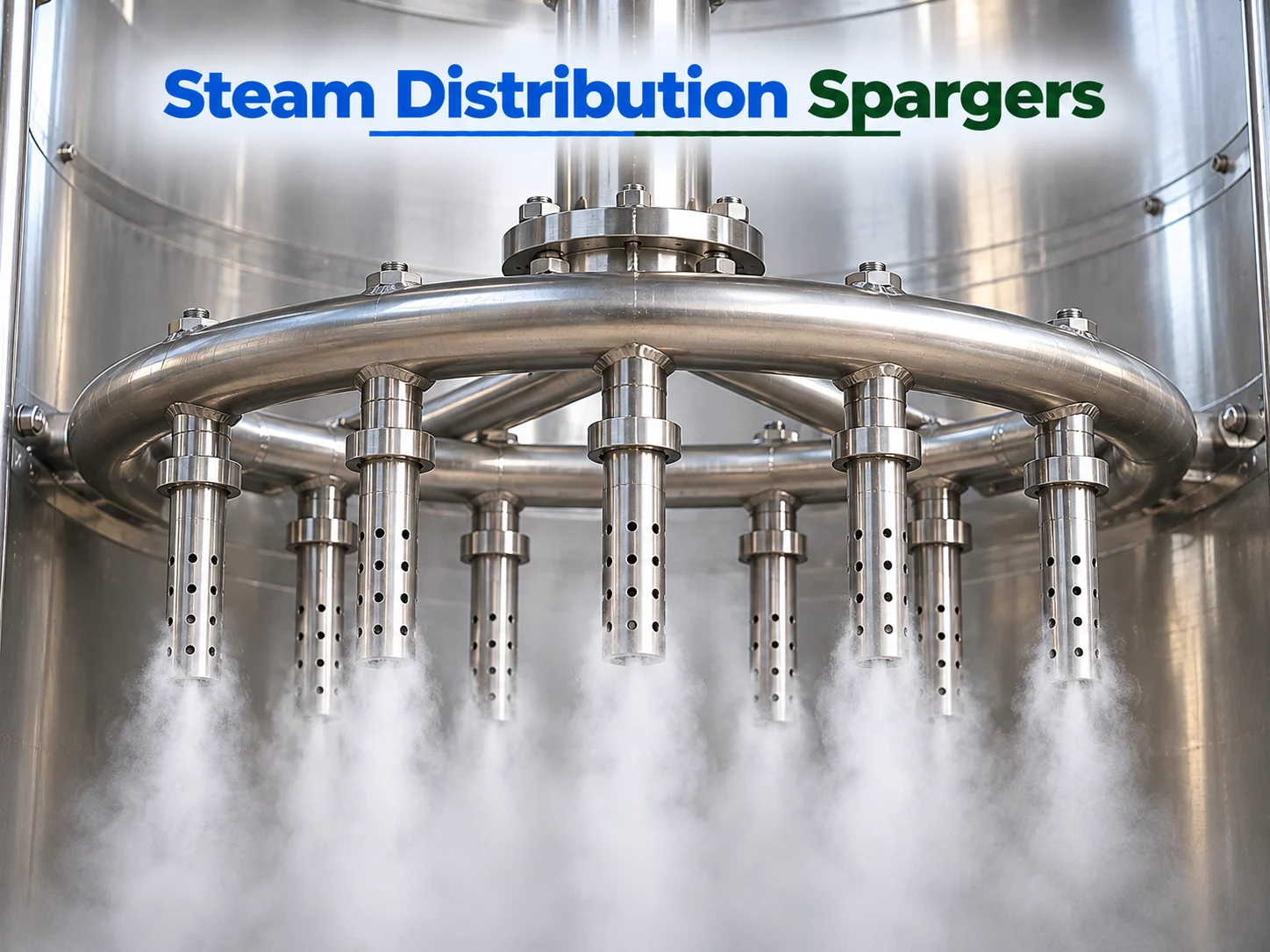
Steam is the actual stripping medium in the column. As a Steam Stripping Column, the equipment injects live steam directly into the descending oil, and this steam carries solvent vapor out with it as it rises through the column.
- check_circle Direct steam contact strips solvent traces that evaporation alone cannot remove.
- check_circle Steam distribution is designed for even contact across the column cross-section.
- check_circle Steam rate is controlled to strip solvent without adding unnecessary moisture to the oil.
- check_circle Works as the final polishing step after the evaporator stages.
Thin-Film Stripping Column
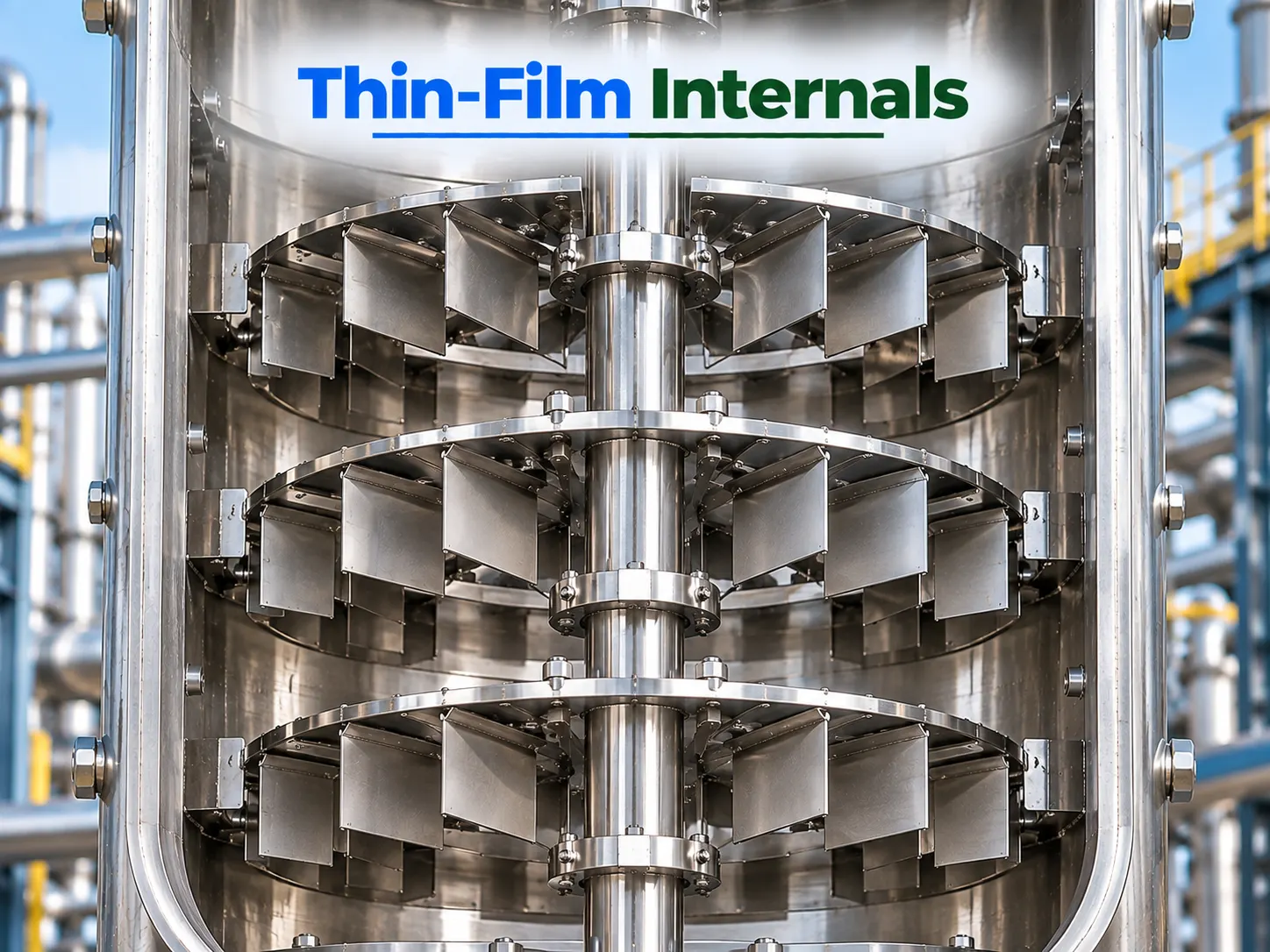
Oil that stays in contact with hot surfaces or steam for too long is at risk of quality loss, so the internals of the column are designed to keep the oil moving as a thin, spread-out film rather than a static pool.
- check_circle Column internals spread oil into a thin film for faster stripping.
- check_circle Larger surface area means solvent traces are removed more completely.
- check_circle Short residence time limits oil exposure to heat and steam.
- check_circle Reduces the chances of localized overheating inside the column.
Continuous Stripping Column
Plants running continuous extraction need a stripping stage that matches that same continuous flow, without batch interruptions. Built to run in line with upstream evaporator stages, taking oil in and discharging stripped oil steadily.
- check_circle Matches the continuous flow rate of the evaporator stages.
- check_circle No batch cycling, so oil moves through without holding tanks in between.
- check_circle Steady vacuum and steam conditions maintained throughout operation.
- check_circle Suited to 24-hour non-stop commercial plant operation.
Vacuum Distillation Stripping Column
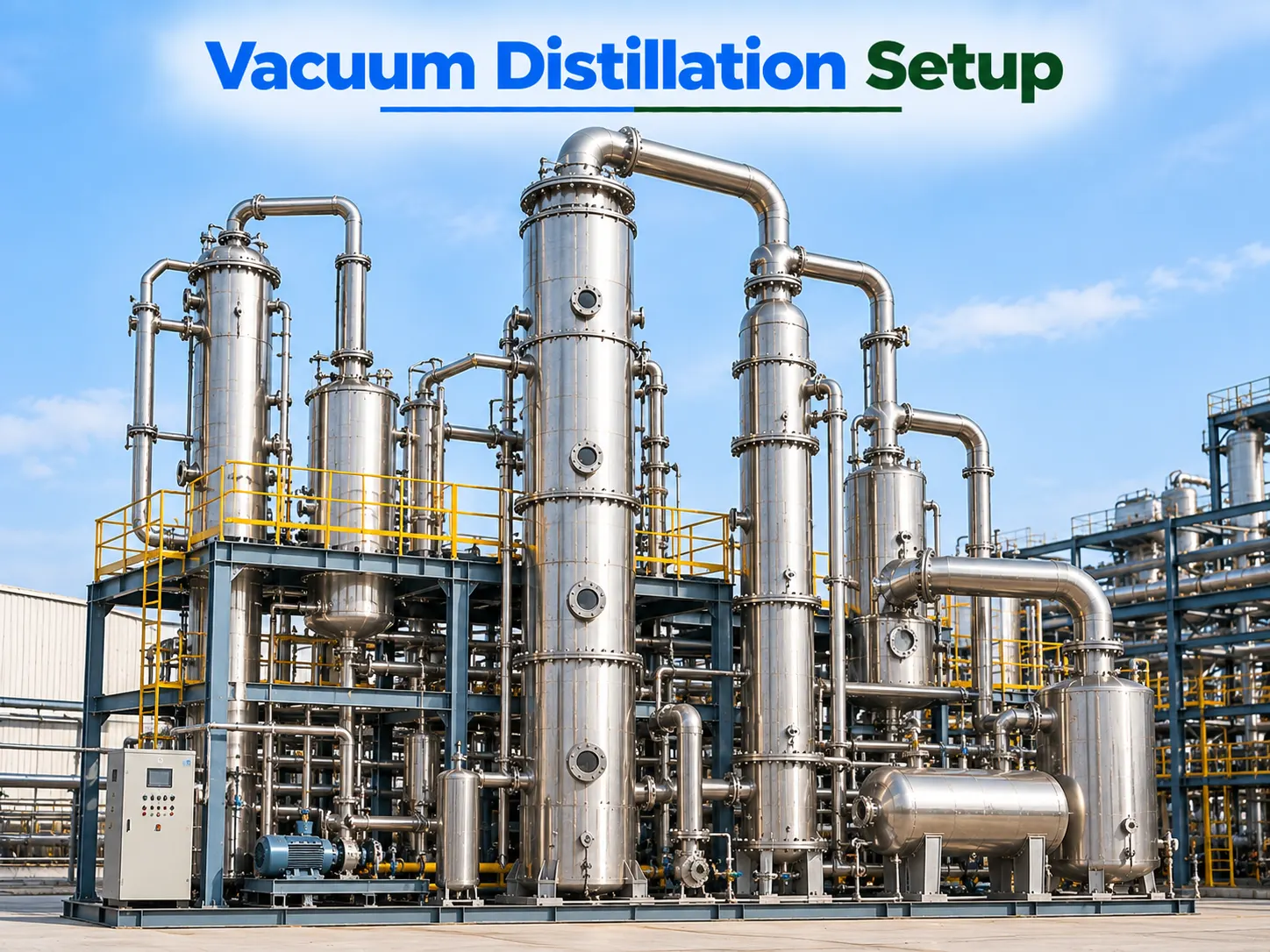
As the final unit in the vacuum distillation train, the Stripping Column brings the overall miscella distillation process to completion. Super Techno Engineers designs the Vacuum Distillation Stripping Column to work as one coordinated system with the upstream evaporators, so vacuum levels, steam rates, and flow rates are matched across the whole line rather than set independently.
Build Quality & Material of Construction
The Stripping Column shell, internals, and steam distribution system are built to handle continuous vacuum operation with hot oil and steam. Super Techno Engineers fabricates the column as a fully enclosed, vapor-tight vessel, with internals designed to resist fouling over long production runs.
- verified Column shell in carbon steel or SS 304, contact parts upgradable on request.
- verified Vapor-tight construction to hold vacuum and prevent solvent vapor leakage.
- verified Steam distribution system designed for even coverage across the column.
- verified Structural design rated for sustained vacuum and temperature conditions without deformation.
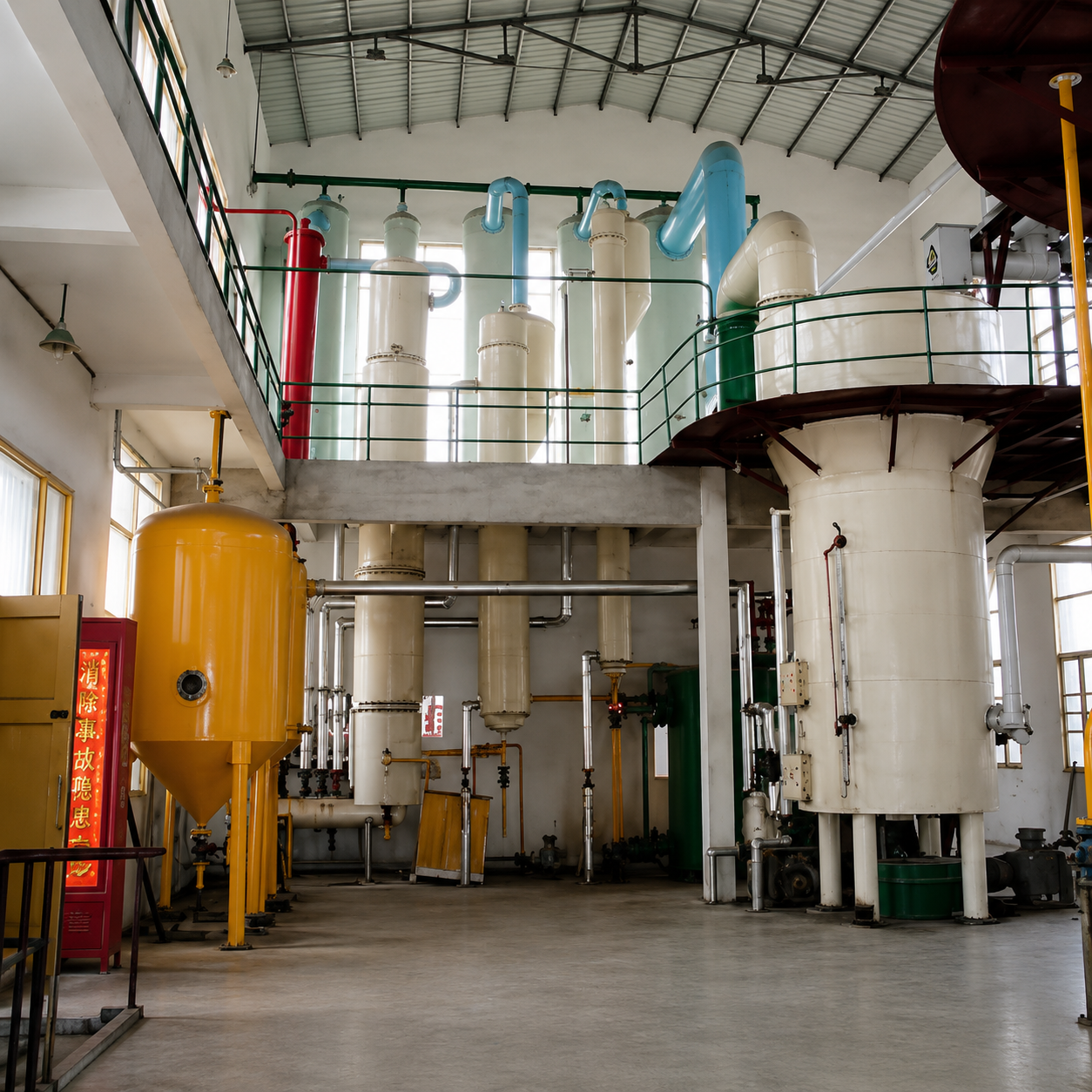
Operational Performance
Proven Final-Stage Stripping
Residual solvent in oil after the stripping column stage is held below 200 ppm, delivering refinery-ready oil.
50 to 1500+ TPD capacity range across the complete Stripping Column range for commercial plants.
Fully enclosed vacuum design that prevents hexane vapor loss and safeguards plant atmosphere.
Data Sheet
Standard Specifications
Key technical parameters for our continuous Vacuum Stripping Columns. Custom configurations are available upon request.
| Parameter | Description / Value |
|---|---|
| Processing Capacity | 50 TPD to 1500+ TPD (Tons Per Day) |
| Stripping Medium | Live Steam (direct injection) |
| Column Type | Thin-Film, Continuous, Vacuum Operated |
| Residual Solvent in Oil | Less than 200 ppm after stripping (< 200 ppm) |
| Solvent Compatibility | Food Grade Hexane (standard) |
| Material of Construction | Carbon Steel / SS 304 (contact parts upon request) |
| Operating Condition | Under vacuum, vapor-tight construction |
| Mode of Operation | Continuous, in line with evaporator stages |
Stripping Column for Solvent Extraction Plant
The Stripping Column does not work as a standalone unit. It sits at the end of the miscella distillation line inside the solvent extraction plant, taking concentrated oil from the evaporator stages and finishing the solvent removal before the oil moves ahead to storage or refining. Super Techno Engineers designs the Stripping Column for solvent extraction plant layouts of every scale, so it fits directly into the existing distillation and vacuum system without creating a bottleneck.
Stripping Column for Miscella Distillation
Within the miscella distillation process, the Stripping Column handles the final and most sensitive part of solvent removal, where the solvent trace is small but still needs to come down to a strict limit. Because this stage works with oil that has already lost most of its solvent, the column is built specifically for low-solvent-load stripping rather than bulk solvent removal.
How We Work
Our engineering protocol ensures every vacuum stripping column is designed to match upstream evaporator loads and target solvent limits without causing oil discoloration.
Distillation Line Review
We study the oil condition and residual solvent level coming out of the evaporator stages to size the stripping column correctly.
Internals & Vacuum Design
Our engineers select the column internals, steam rate, and vacuum level needed to bring residual solvent down to your target specification.
Fabrication & Vapor-Tight Testing
The column shell and internals are fabricated, pressure and vacuum tested, and checked for vapor tightness before shipment and installation at the plant.
Stripping Column Manufacturer in India
Super Techno Engineers is a Stripping Column manufacturer in India, supplying stripping columns to solvent extraction plants across the country and to export clients. As an ISO 9001:2015 certified company, we manufacture the column shell and internals in-house, which lets us control quality from fabrication through to final vapor-tight and vacuum testing. Whether you are setting up a new distillation line or upgrading an existing stripping stage, our team can supply a Stripping Column sized to your plant's capacity.
Stripping Column Spare Parts
Steam distribution nozzles, packing, and gaskets wear over time from continuous steam and vacuum cycling. Super Techno Engineers supplies Stripping Column spare parts including internals, steam nozzles, packing, gaskets, and seals, so plants can maintain the column without long shutdowns.
Case Studies and Endorsements
Industry Testimonials
"Before installing the vacuum Stripping Column from Super Techno Engineers, our oil frequently bordered the maximum residual solvent limits after distillation. With their thin-film steam stripping design operating under vacuum, residual solvent stays well below 200 ppm with zero oil darkening and reduced steam consumption."
Stripping Column Installation Video
Live Plant
Live Plant Commissioning
Continuous thin-film vacuum steam stripping in active line
Support & Information
Frequently Asked Questions
It removes the last traces of solvent from oil using steam, after the oil has already passed through the evaporator stages.
Vacuum lowers the boiling point of the solvent trapped in the oil, so stripping can happen at a lower temperature without damaging the oil.
Evaporators remove the bulk of the solvent using indirect steam heating, while the stripping column removes the remaining small trace using direct steam contact under vacuum.
Our Stripping Column typically brings residual solvent in the oil below 200 ppm, depending on the feed condition and plant configuration.
Our Stripping Column is available for plants ranging from 50 TPD to 1500+ TPD.
Yes. It can be installed at the end of an existing evaporator train as long as the vacuum system and steam supply are matched during design.