How to Choose the Right Capacity for Your Solvent Extraction Plant
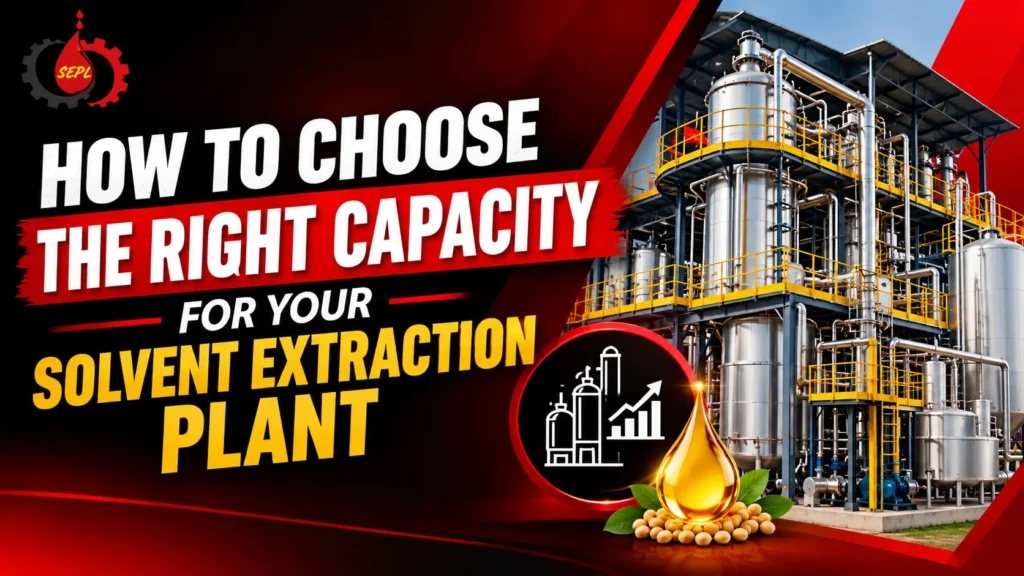
Choosing the wrong plant size is one of the most expensive mistakes an oil mill owner can make. A plant that is too small cannot meet market demand, and a plant that is too big sits half empty and drains money on power, labour, and maintenance. This is why solvent extraction plant capacity selection […]
Crude Oil vs Refined Oil: What Actually Sets Them Apart
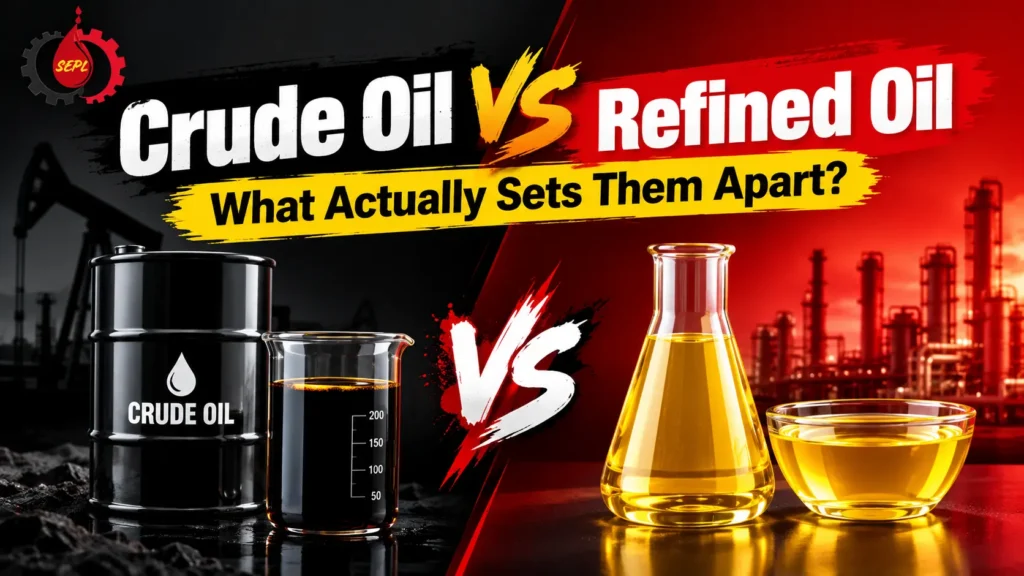
Crude Oil vs Refined Oil: What Actually Sets Them Apart If you have ever stood in front of two bottles of oil, one labeled “crude” and one labeled “refined,” and wondered what the real difference is, you are not alone. This is one of the most common questions people ask when they get into the […]
Turnkey vs Modular Solvent Extraction Plant: Making the Right Investment Choice

If you are planning to set up an edible oil business, one of the biggest decisions you will make early on is choosing between a turnkey vs modular solvent extraction plant. This single decision affects your budget, your timeline, and how easily you can grow your business later. Many first-time investors get stuck here. Should […]
Batch vs Continuous Solvent Extraction Plant: Which One Fits Your Business

If you are planning to set up an oil extraction unit, one of the first big decisions you will face is this: should you go with a batch system or a continuous solvent extraction plant? This is not a small choice. It affects your daily output, your running cost, the manpower you need, and even […]
Solvent Extraction vs Oil Expeller: Which Method Gives You Better Yield?

If you are planning to set up an edible oil plant, one question comes up again and again: solvent extraction vs oil expeller, which one should you choose? Both methods take oil out of seeds like soybean, groundnut, rice bran, or cottonseed. But they work in very different ways, and the difference in oil […]
Castor Seed Oil Extraction: Understanding the Full Plant Process

Castor oil is one of the most valuable non-edible vegetable oils in the world. It goes into everything from lubricants and paints to soaps, biodiesel, and pharmaceutical products. But before castor oil reaches any of these industries, it has to be pulled out of a small, hard, poisonous-looking seed through a careful industrial process. […]
Groundnut Solvent Extraction Plant Process: A Complete Guide

Groundnut oil is one of the most widely used cooking oils in India and many other parts of the world. But getting that oil out of the groundnut kernel takes more than just crushing it. To pull out almost every last drop of oil and leave behind a useful, protein rich cake, oil mills […]
Rice Bran Oil Solvent Extraction: How the Plant Process Actually Works

Rice bran oil has quietly become one of the most valued edible oils in the market. It has a high smoke point, a good fatty acid profile, and is often marketed as a heart healthy cooking oil. But turning raw rice bran, a leftover from rice milling, into refined oil is not as simple as […]
Neem Seed Solvent Extraction Plant Process: Everything You Need to Know

Neem has been used in India for centuries, from skincare to farming. But today, its biggest commercial value comes from something less talked about: neem oil and neem cake extracted through a proper neem seed solvent extraction plant. If you are planning to set up such a plant, or you simply want to understand […]
Mahua Seed Oil Extraction : Step-by-Step Process Guide

Mahua seeds have been used in India for generations, mostly in rural and forest belts where the mahua tree (Madhuca longifolia) grows in plenty. The oil pressed or extracted from these seeds is used in soap making, cooking in some regions, cosmetics, and even as a raw material for biodiesel. But turning raw mahua […]