
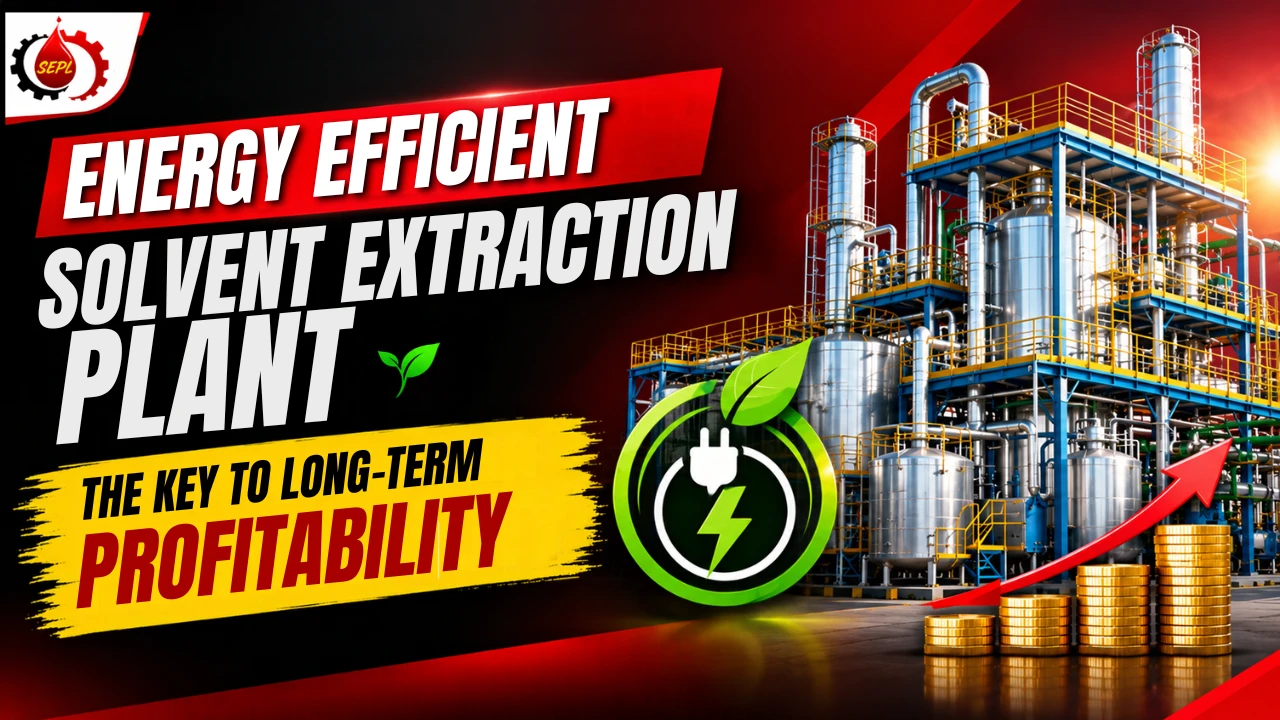
Running a solvent extraction plant is not just about crushing seeds and pulling out oil. It is about doing this day after day, year after year, without your energy bills quietly eating into your profits. Fuel, steam, and power costs can make up a huge share of your total operating expense, and in an industry where margins are already thin, this matters more than most owners realize.
This is why more edible oil manufacturers across India and abroad are shifting toward an energy efficient solvent extraction plant design. It is not a trend. It is a survival strategy for anyone who wants to stay competitive in the long run.
In this guide, we will look at what makes a plant energy efficient, why an energy efficient solvent extraction plant matters for your bottom line, and how you can make smarter choices when setting up or upgrading your extraction unit.
What Is an Energy Efficient Solvent Extraction Plant?
An energy efficient solvent extraction plant is designed to get the maximum oil yield while using the least possible fuel, steam, and electricity. It is not one single machine or upgrade. It is a combination of smart engineering choices across the entire process, from the moment raw material enters the plant to the point where refined oil and de-oiled cake come out.
Some of the areas where energy efficiency really counts include:
- The hexane recovery system, which recovers and reuses solvent instead of losing it as waste
- The desolventizer toaster process, which removes solvent from the meal using controlled heat
- The miscella distillation process, which separates oil from the solvent mixture
- Boiler and steam distribution systems
- Insulation on pipes, vessels, and ducts
- Heat recovery between hot and cold process streams
When these parts work together well, an energy efficient solvent extraction plant can cut its energy use by a noticeable margin without touching output quality or quantity.
Why an Energy Efficient Solvent Extraction Plant Improves Profitability
Many plant owners still think of energy efficiency as a technical detail best left to engineers. In reality, it is a financial decision that shows up on your balance sheet every single month.
Here is how it plays out:
- Lower operating costs. Steam and power are recurring expenses. Even a 10 to 15 percent reduction in energy use adds up to significant savings over a year.
- Better solvent recovery. An efficient hexane recovery system means less solvent loss, which lowers both cost and safety risk.
- Higher oil yield. Controlled heat and pressure during extraction and desolventizing help you recover more oil from the same raw material, improving your output without buying more seed.
- Longer equipment life. Machines that run at optimal temperature and load tend to wear out slower, cutting your maintenance and replacement costs.
- Lower carbon footprint. This is becoming important for exporters who need to meet buyer sustainability requirements, especially in Europe and the Middle East.
When you put all of this together, an energy efficient solvent extraction plant is not an add-on cost. It is one of the fastest ways to improve return on investment in a plant that already has high capital costs.
Energy Efficient vs Conventional Solvent Extraction Plants
| Factor | Conventional Plant | Energy Efficient Solvent Extraction Plant |
| Steam consumption | High, with limited heat recovery | Reduced through multi-effect evaporation and heat integration |
| Solvent loss | Higher hexane loss per ton of material | Lower loss with an optimized hexane recovery system |
| Oil recovery rate | Standard, depends on manual control | Higher and more consistent due to precise process control |
| Maintenance cost | Higher due to thermal stress on equipment | Lower, as equipment runs within optimal ranges |
| Payback period | Longer, due to ongoing energy waste | Shorter, since savings start from day one |
| Environmental compliance | May need retrofitting later | Easier to meet emission and safety norms |
This table is a general comparison. Actual numbers will vary depending on your raw material, plant capacity, and equipment condition.
Key Technologies Behind an Energy Efficient Solvent Extraction Plant
If you are planning a new plant or upgrading an old one, these are the areas worth focusing on.
1. Multi-Stage Solvent Recovery
A well-designed hexane recovery system uses multiple stages of vapor recovery instead of releasing solvent-laden air directly. This reduces both fuel use and solvent loss, two costs that hit you at the same time, and it is one of the biggest factors in building a truly energy efficient solvent extraction plant.
2. Heat Integration Across the Process
Instead of heating every stream from scratch, an efficient plant reuses heat from one process step to warm another. For example, hot vapors from the desolventizer toaster can help pre-heat incoming material or miscella, cutting the load on your boiler.
3. Automated Process Control
Manual control often leads to over-heating or over-processing, which wastes both time and energy. Automated sensors and control panels keep temperature, pressure, and flow rate within the ideal range at all times.
4. Proper Insulation
This sounds basic, but poor insulation on pipes and vessels is one of the most common and easily fixable sources of energy loss in older plants.
5. Right-Sized Equipment
Oversized or undersized machinery both waste energy. Equipment should be sized according to your actual raw material capacity, not just guesswork. This is why working with an experienced turnkey oil plant manufacturer matters so much during the planning stage.
Common Mistakes That Reduce Energy Efficiency
Even good equipment can underperform if the setup or operation is wrong. Some frequent oil plant installation mistakes that stop a plant from becoming truly energy efficient include:
- Skipping proper insulation to save on upfront cost
- Choosing undersized boilers that run at maximum load constantly
- Ignoring regular maintenance of steam traps and valves
- Poor layout that increases the distance material and steam need to travel
- Not training operators on optimal load and temperature settings
Fixing these issues later almost always costs more than doing it right the first time.
How to Choose the Right Manufacturer for an Energy Efficient Solvent Extraction Plant
Not every manufacturer designs with energy efficiency in mind. When evaluating suppliers, ask about:
- Their approach to heat recovery and steam economy
- The type of hexane recovery system they use, and its recovery efficiency percentage
- Reference plants you can visit or check performance data from
- Whether they offer process automation as standard or as an extra cost
- After-sales support for tuning and optimizing energy use once the plant is running
For a deeper look at this, our guide on how to choose the right solvent extraction plant manufacturer in India covers the full evaluation process step by step.
Upgrading an Existing Plant Into an Energy Efficient Solvent Extraction Plant
If you already run a plant, a full rebuild is not always necessary. Many owners see real improvement by upgrading specific sections such as the miscella distillation unit, adding better insulation, or replacing outdated control systems with automated ones. A phased upgrade approach also spreads out the investment, which makes it easier on cash flow while you keep production running.
It is worth getting an energy audit done by your equipment supplier or an independent expert before deciding where to invest first. This helps you target the areas with the biggest savings rather than spending on upgrades that look good on paper but do not move the needle much.
Frequently Asked Questions
Q1. How much energy can an energy efficient solvent extraction plant actually save?
Savings vary by plant size and condition, but many upgraded plants report a 10 to 20 percent reduction in steam and power use compared to older, unoptimized setups.
Q2. Does energy efficiency affect oil quality?
No, if designed correctly. In fact, better temperature control often improves consistency in oil quality rather than reducing it.
Q3. Is it more expensive to build an energy efficient solvent extraction plant?
The upfront cost can be slightly higher due to better insulation, automation, and heat recovery systems. However, the payback period is usually shorter because of ongoing savings.
Q4. Which part of the plant uses the most energy?
Typically, the desolventizer toaster and the boiler system for steam generation are the biggest energy consumers in most solvent extraction plants.
Q5. Can an old plant be converted into an energy efficient solvent extraction plant?
Yes. Many components like the hexane recovery system, insulation, and control panels can be upgraded without rebuilding the entire plant.
Final Thoughts
Energy efficiency is not just a technical checkbox. It is one of the most reliable ways to protect your margins in a business where seed prices, oil prices, and demand keep shifting. Whether you are setting up a new edible oil refinery plant or upgrading your current extraction unit, investing in an energy efficient solvent extraction plant will pay off for years to come.
If you want to discuss the right setup for your capacity and raw material, our team can walk you through the options and help you plan an energy efficient solvent extraction plant built for long-term savings, not just short-term output.